Experience the Transformative Power of Sports Massage
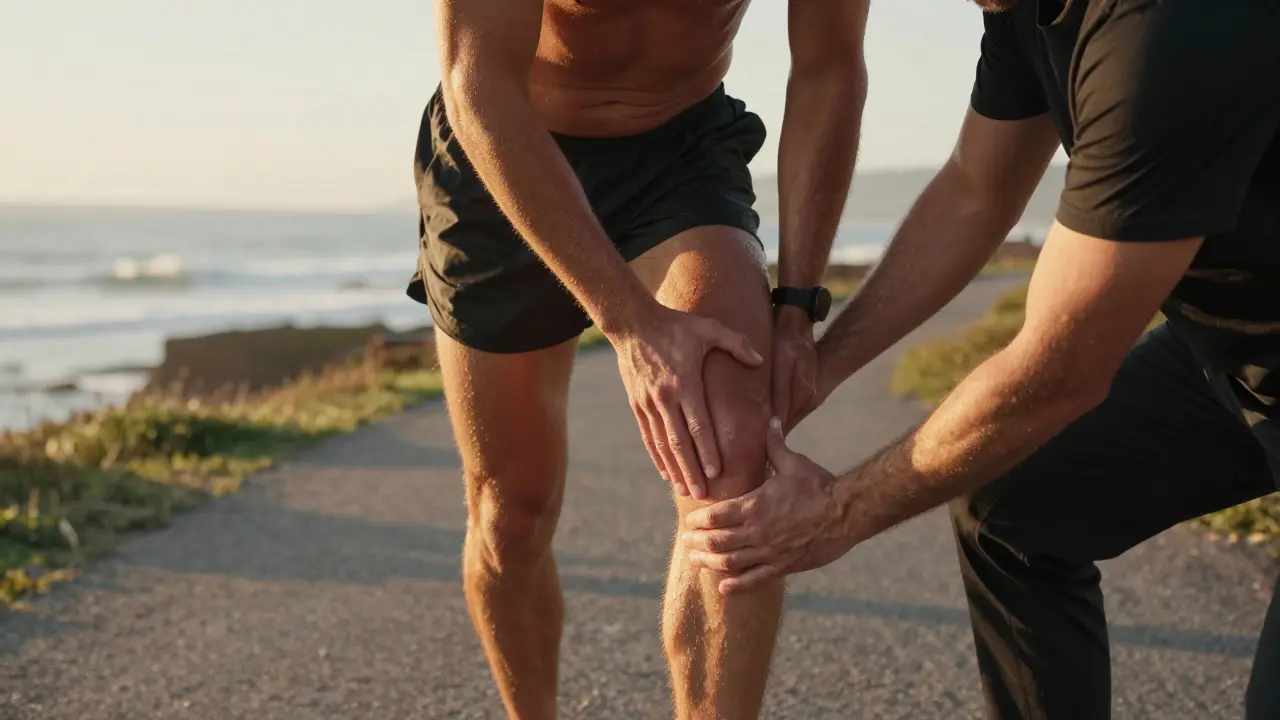
Think of sports massage as more than just a deep tissue rubdown. It’s not about relaxation. It’s about performance. If you’ve ever pushed yourself hard on the track, in the gym, or on the field, you know how your body feels the next day-tight, sore, sluggish. That’s not just fatigue. It’s your muscles screaming for help. Sports massage doesn’t just ease that pain. It changes how your body recovers.
What Sports Massage Actually Does
Unlike Swedish massage, which aims to calm the nervous system, sports massage is targeted, intense, and strategic. It works on the soft tissues that take the most abuse during training: muscles, tendons, ligaments, and fascia. A skilled therapist uses techniques like deep transverse friction, myofascial release, and trigger point therapy to break up adhesions, improve circulation, and restore natural movement patterns.
Studies from the Journal of Athletic Training show athletes who received regular sports massage had 30% less muscle soreness after intense workouts compared to those who didn’t. That’s not a fluke. It’s science. The massage increases blood flow to fatigued areas, flushing out lactic acid and other metabolic waste. It also helps oxygen and nutrients reach damaged tissue faster, speeding up repair.
It’s Not Just for Pros
You don’t need to be an Olympian to benefit. Whether you’re a weekend warrior, a fitness newbie, or someone who’s been lifting for years, sports massage works for you. I’ve seen runners in Sydney’s Bondi Beach training group come in after their long Sunday runs. They’re not looking to relax. They’re looking to run again next week without limping. One woman, 52, started coming in after a hip injury. After six sessions over eight weeks, she completed her first 10K without pain. That’s the power of consistent, targeted care.
Even people who aren’t athletes but have desk jobs benefit. Sitting all day tightens your hip flexors, shortens your hamstrings, and locks your shoulders. Sports massage untangles those knots before they turn into chronic pain. It’s preventative medicine disguised as a massage.
When to Get It
Timing matters. Too many people wait until they’re injured. That’s like waiting for your car to break down before changing the oil.
- Before training: A light 20-minute session helps warm up tissues, increase range of motion, and mentally prepare your body for exertion. Think of it as a dynamic warm-up you can’t do alone.
- After training: Within 30 to 60 minutes post-workout is ideal. This is when inflammation starts to build. Massage interrupts that process, reducing swelling and speeding recovery.
- During intense training blocks: If you’re ramping up mileage, weight, or intensity, schedule a session every 7-10 days. It keeps your body in tune and prevents overuse injuries.
- After injury: Once the acute phase passes (usually 48-72 hours), massage can help rebuild tissue without scar formation. Always check with your physio first.
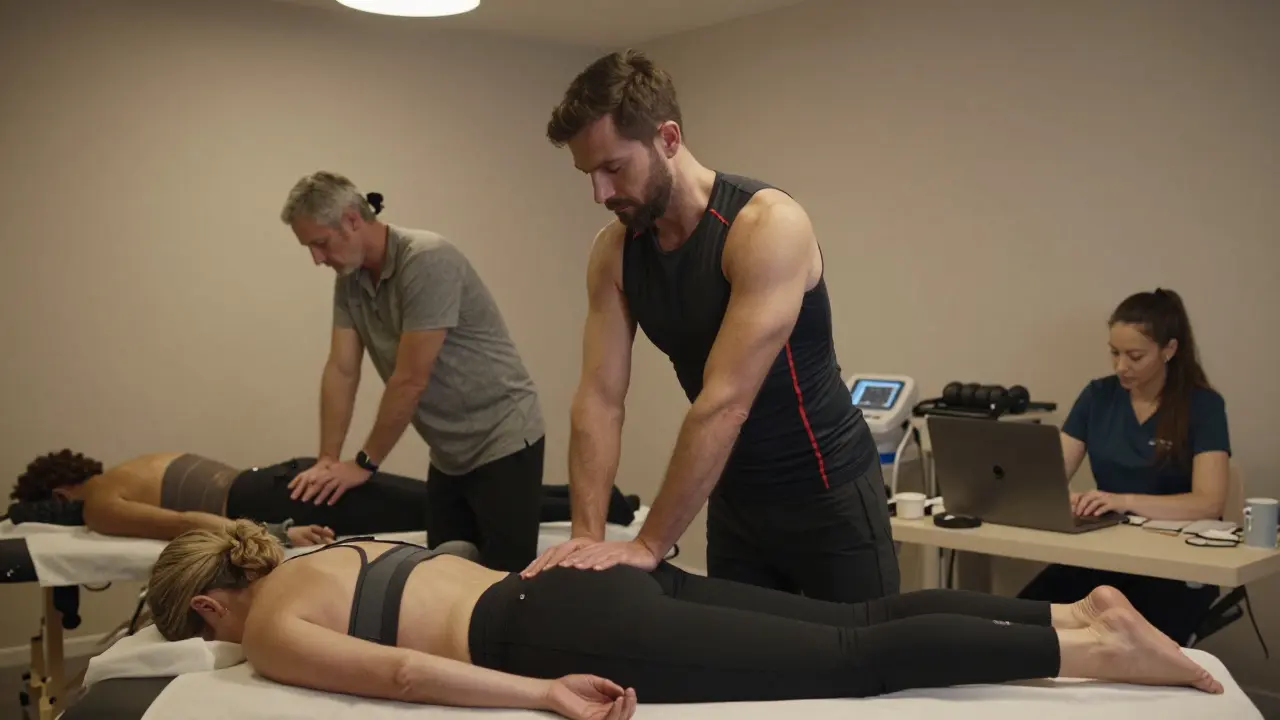
What You’ll Feel
It’s not always comfortable. Deep work on a tight quadriceps or rotator cuff can sting. But it should never feel like sharp pain or nerve burning. A good therapist checks in constantly. You’ll feel pressure-deep, focused, and intentional. Afterward, you might feel slightly tender, like you’ve had a tough workout. That’s normal. Within 24 hours, you’ll notice something else: your movements feel freer. Your shoulders drop. Your stride lengthens. You walk taller.
One client, a 38-year-old triathlete, told me, “I used to think massage was a luxury. Now I know it’s part of my training plan, like stretching or hydration.” That’s the mindset shift.
How Often Should You Go?
There’s no one-size-fits-all. But here’s a practical guide based on activity level:
- Recreational athlete (2-3 workouts/week): Once every 3-4 weeks
- Regular athlete (4-6 workouts/week): Once every 2 weeks
- Competitive athlete (daily training): Once a week, or even twice if in peak season
- Recovering from injury: Weekly until mobility returns, then taper off
Think of it like servicing your car. You wouldn’t wait until the engine seizes. Same with your body.
What to Look for in a Therapist
Not all massage therapists are trained in sports massage. Some are great at relaxation. Others specialize in injury rehab. You need someone who understands biomechanics.
Ask these questions:
- “Do you have certification in sports massage?” (Look for credentials like ASMI, ISM, or similar)
- “Have you worked with athletes in my sport?”
- “Do you use techniques like myofascial release or trigger point therapy?”
- “Can you explain how you’ll adjust pressure based on my tissue response?”
A good therapist won’t just move their hands. They’ll ask about your training schedule, recent injuries, and how you feel after workouts. They’re part coach, part healer.
What It Won’t Do
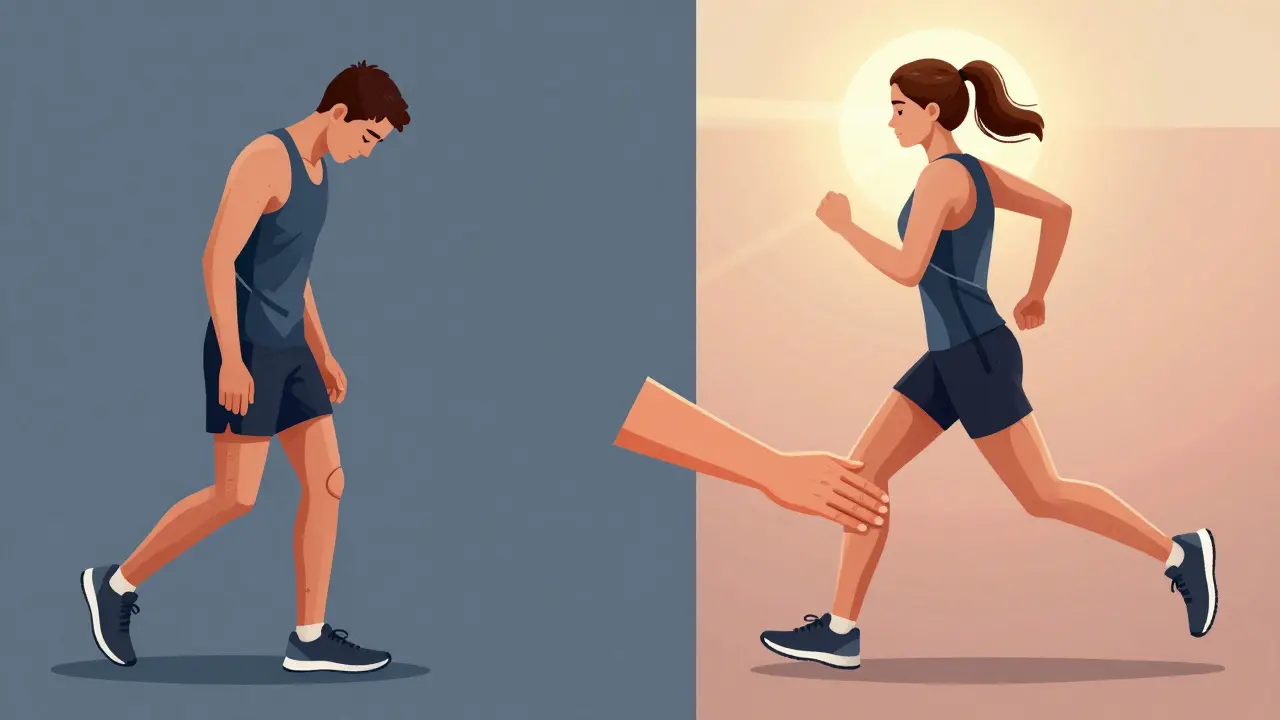
Sports massage isn’t magic. It won’t fix a torn ligament. It won’t replace strength training or proper sleep. It won’t cure chronic pain caused by poor posture without corrective exercises. It’s a tool-not a cure-all.
It works best when paired with:
- Dynamic stretching before activity
- Static stretching or foam rolling after
- Hydration and adequate protein intake
- Quality sleep (7-9 hours)
Massage enhances recovery. It doesn’t replace the fundamentals.
Real Results, Not Just Feel-Good Stories
In Sydney, a local running club tracked 47 members over six months. Half got monthly sports massages. The other half didn’t. The massage group had:
- 42% fewer missed training days due to muscle tightness
- 28% faster time recovery between races
- 31% reduction in self-reported muscle soreness
These aren’t guesses. They’re numbers from a simple, real-world study. The same patterns show up in professional teams, college programs, and even military units.
Final Thought: It’s an Investment, Not an Expense
Sports massage costs money. In Sydney, a 60-minute session runs $90-$140. But compared to the cost of a missed race, a physical therapy visit, or a month of painkillers? It’s cheap. More than that-it’s smart.
Your body doesn’t care how much you love running, lifting, or cycling. It only responds to how well you take care of it. Sports massage is one of the most effective, underrated tools you have. If you’re serious about your fitness, it’s not optional. It’s essential.
Can sports massage help with chronic pain?
Yes, but only if the pain comes from muscle tension, scar tissue, or overuse-not structural damage like a herniated disc or arthritis. Sports massage breaks up adhesions and improves mobility, which often reduces pain caused by tight muscles pulling on joints. For chronic issues, combine it with physiotherapy and corrective exercises for lasting results.
Is sports massage painful?
It can be, but it shouldn’t be unbearable. You should feel deep pressure and maybe a burn, especially in tight areas, but never sharp, shooting, or nerve-like pain. A good therapist adjusts pressure based on your feedback. If it feels like torture, speak up. Pain doesn’t mean it’s working-misery just means you’re not communicating.
Can I get sports massage if I’m not an athlete?
Absolutely. You don’t need to run marathons to benefit. Anyone who sits at a desk, lifts groceries, plays with kids, or walks their dog can have tight muscles and restricted movement. Sports massage helps restore natural motion, reduce stiffness, and prevent injuries-even if your "sport" is just daily life.
How long do the effects last?
The immediate effects-like reduced soreness and improved flexibility-last 24 to 72 hours. But the long-term benefits-better recovery, fewer injuries, increased range of motion-build over weeks and months with regular sessions. Think of it like brushing your teeth: one session helps today, but daily care prevents bigger problems.
Should I get a massage before or after a big event?
Before: A light session 2-3 days before helps loosen tissues without overstimulating. Avoid deep work 24 hours before. After: Definitely. The first 24 hours post-event are critical for recovery. A session within 6 hours helps flush waste, reduce swelling, and kickstart healing. Many elite athletes schedule post-event massage as part of their routine.