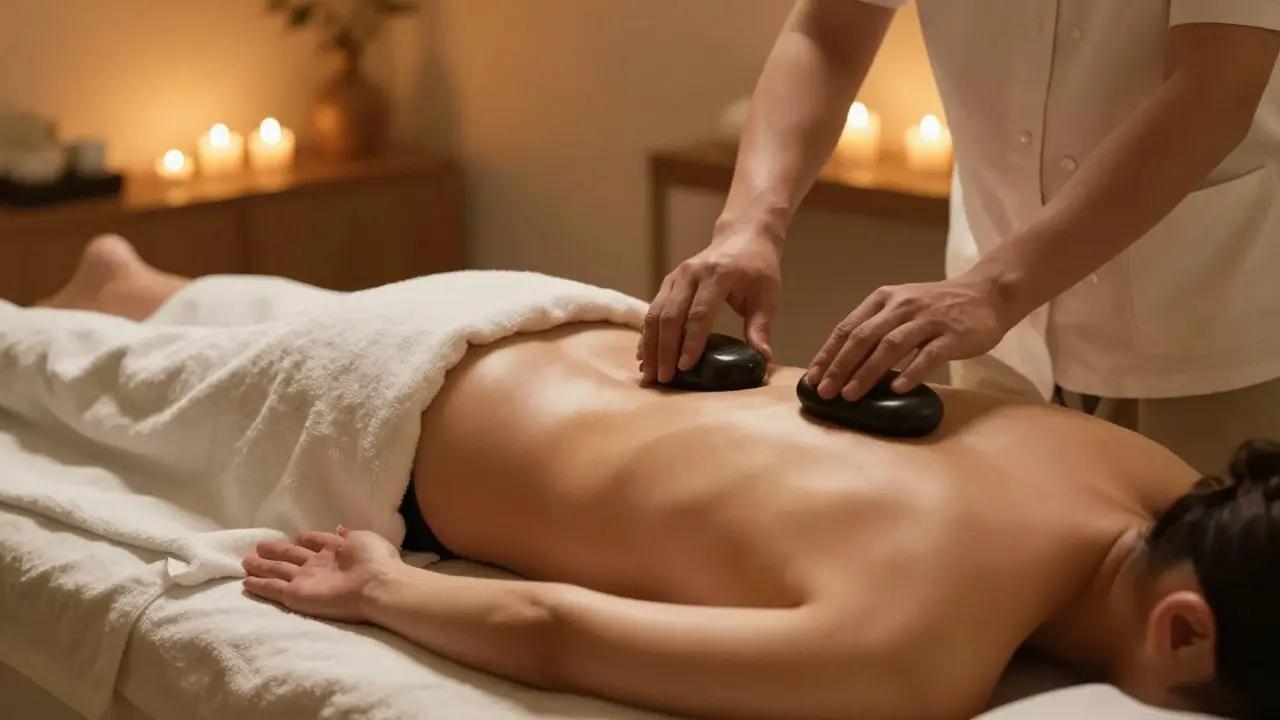
Deep Tissue Massage Guide: Step-by-Step Stress Relief Techniques

Your shoulders are screaming, your lower back feels like a knot of steel, and you haven't slept well in weeks. You’re not just tired; you’re holding years of stress in your fascia. That’s where deep tissue massage is a specialized manual therapy technique that uses slow strokes and firm pressure to release chronic tension in the deeper layers of muscle and connective tissue. Unlike a relaxing Swedish massage, this method targets specific trigger points to break up adhesions and restore mobility. If you’ve ever left a massage feeling sore for days, you likely experienced this style. It works, but only if done correctly.
What Makes Deep Tissue Different?
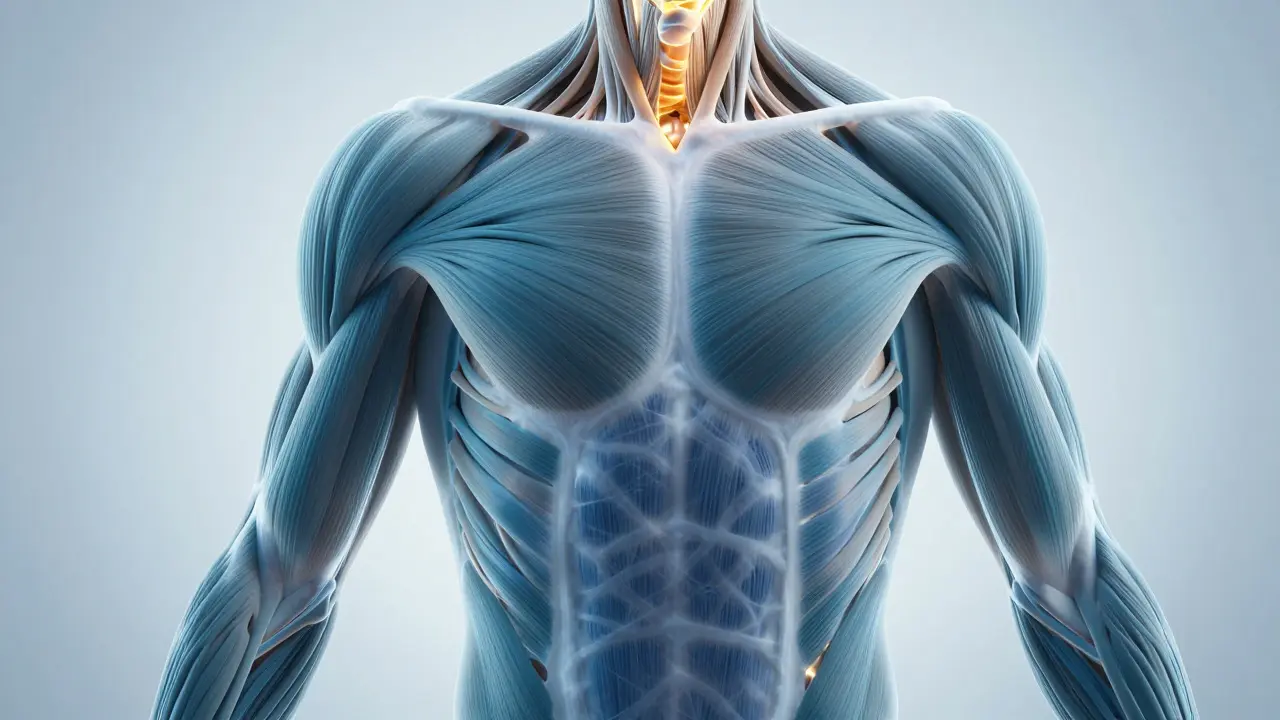
Swedish massage is a gentle, full-body relaxation technique using long, gliding strokes to improve circulation and reduce minor muscle tension. It’s great for unwinding after a long day. Deep tissue massage, however, digs deeper. The therapist applies sustained pressure with their thumbs, elbows, or forearms to reach the subcutaneous tissue. This isn’t about pain for pain’s sake. It’s about accessing the myofascial system, which is the web-like network of connective tissue that surrounds and supports muscles, bones, and organs throughout the body. When you sit at a desk all day, your chest tightens and your upper traps hike toward your ears. Over time, these areas form cross-fiber adhesions-think of them as scar tissue that restricts movement. Deep tissue work breaks these down.
The key difference is speed. Slow means the pressure penetrates deeper without causing the body to tense up in defense. A common mistake people make is expecting it to feel "nice" immediately. Often, it feels intense. That intensity is the signal that you’re reaching the source of the tension.
Preparation: Setting the Stage for Effective Release
You can’t effectively treat deep tension on a cold, stiff body. Preparation is non-negotiable. Here’s how to get ready, whether you’re doing this with a professional or attempting safe self-massage techniques at home.
- Hydrate beforehand: Drink at least 500ml of water two hours before your session. Deep tissue work moves metabolic waste out of the muscle fibers. If you’re dehydrated, those toxins have nowhere to go, leading to worse soreness later.
- Warm up the area: Apply heat to the target area for 10-15 minutes before starting. Heat increases blood flow and makes the fascia more pliable. A warm shower or a heating pad works perfectly.
- Choose the right tools: For professional sessions, ensure the table has proper bolsters for support. For self-massage, use a lacrosse ball or tennis ball. These provide consistent, deep pressure that hands often struggle to maintain.
- Communicate your limits: If seeing a therapist, rate your pain tolerance from 1 to 10. Aim for a 6 or 7. Anything higher than an 8 usually triggers a protective spasm, which counteracts the goal of relaxation.
Step-by-Step Technique: Upper Back and Shoulders
This is the most common area for stress-related tension. We’ll walk through a standard therapeutic sequence used by licensed massage therapists.
- Assessment: Palpate the trapezius muscle from the neck down to the shoulder blade. Look for hard knots or tender spots. These are your primary targets.
- Effleurage (Gliding): Start with broad, slow strokes along the spine to warm up the superficial layer. Use your palms, not fingers. This calms the nervous system.
- Petrissage (Kneading): Lift and squeeze the muscle belly away from the bone. This helps separate muscle fibers that have stuck together.
- Trigger Point Compression: Locate the hardest knot. Press firmly with your thumb or elbow. Hold steady for 30-60 seconds. Do not move around the spot; stay put until the tension releases. You might feel a wave of heat or a tingling sensation.
- Cross-Fiber Friction: Once the knot softens, apply friction perpendicular to the grain of the muscle. This breaks up remaining adhesions.
- Stretching: Gently stretch the muscle into its end range of motion while maintaining light pressure. This re-establishes normal length.

Self-Massage Strategies for Home Care
You don’t always need a therapist. With the right tools, you can manage maintenance between sessions. The trick is leverage and consistency.
- The Tennis Ball Method: Place a tennis ball against a wall. Lean into it with the painful spot. Roll slowly across the muscle group. Spend 30 seconds on each tight spot. This mimics the pressure of a therapist’s thumb.
- Doorway Pectoral Stretch: Stand in a doorway with your forearm on the frame, elbow at shoulder height. Step forward gently until you feel a stretch in your chest. Hold for 45 seconds. Tight pecs pull your shoulders forward, worsening upper back pain.
- Elbow Pressure for Lower Back: Lie on your side. Place your elbow under your hip to create a wedge. This opens up the piriformis muscle, which often refers pain to the lower back. Breathe deeply into the pressure.
Remember, self-massage should never be agonizing. If you’re grimacing, you’re pressing too hard. The goal is controlled discomfort, not injury.
Common Mistakes to Avoid
Even experienced practitioners make errors that reduce effectiveness. Watch out for these pitfalls:
- Rushing the process: Deep tissue requires time. Rushing leads to superficial rubbing, which doesn’t penetrate the fascia. Allow at least 60 minutes for a full-body session.
- Ignoring breathing: Holding your breath increases muscle tension. Instruct yourself or your client to breathe out during the peak of pressure. Exhalation relaxes the paraspinal muscles.
- Treating the symptom, not the cause: If your neck hurts because your hips are locked, massaging only the neck is futile. Always assess the kinetic chain. The issue might be upstream or downstream.
- Skipping hydration afterward: Just as important as before, drink plenty of water post-session. This helps flush out lactic acid and other metabolic byproducts released during the massage.
Comparison: Deep Tissue vs. Other Modalities
Not every type of massage fits every need. Understanding the differences helps you choose the right approach for your specific goals.
| Feature | Deep Tissue | Swedish | Sports Massage |
|---|---|---|---|
| Primary Goal | Release chronic tension & adhesions | Relaxation & circulation | Injury prevention & recovery |
| Pressure Level | Firm to Intense | Light to Medium | Variable (High intensity) |
| Best For | Desk workers, chronic pain | General wellness, anxiety | Athletes, active individuals |
| Post-Session Soreness | Moderate (24-48 hrs) | Minimal | Moderate to High |
| Frequency | Every 2-4 weeks | Weekly or bi-weekly | During training cycles |
When to See a Professional
While self-care is valuable, certain conditions require expert hands. Seek a licensed massage therapist if you experience numbness, tingling, or radiating pain down the arms or legs. These could indicate nerve compression, such as carpal tunnel or sciatica, which needs precise assessment. Also, consult a doctor before starting deep tissue work if you have recent surgery, blood clots, severe osteoporosis, or uncontrolled hypertension. The combination of professional expertise and targeted technique ensures you address the root cause rather than just masking symptoms.
Is deep tissue massage painful?
It should be uncomfortable but not unbearable. Most people describe the sensation as "good pain." If it hurts so much that you can’t breathe or hold still, the pressure is too high. Communicate with your therapist to adjust the intensity.
How often should I get deep tissue massage?
For chronic issues, once every two to four weeks is typical. Frequent weekly sessions can sometimes overwork the tissues, leading to inflammation. Listen to your body and space out appointments based on your recovery level.
Can I do deep tissue massage at home?
Yes, using tools like foam rollers, lacrosse balls, or massage guns. Focus on accessible areas like the back, calves, and glutes. Be cautious with the neck and lower back, as improper technique can aggravate injuries.
Does deep tissue massage actually reduce stress?
Yes. By releasing physical tension, it lowers cortisol levels and boosts serotonin and dopamine. The physical act of letting go of held tension signals the brain to shift from a sympathetic (fight-or-flight) state to a parasympathetic (rest-and-digest) state.
What should I eat before a deep tissue massage?
Avoid heavy meals within two hours of your appointment. Eat a light snack if you’re hungry. Heavy digestion diverts blood flow to the gut, making the massage less effective and potentially causing dizziness when you stand up.