Aromatherapy in Skincare: The Ultimate Guide
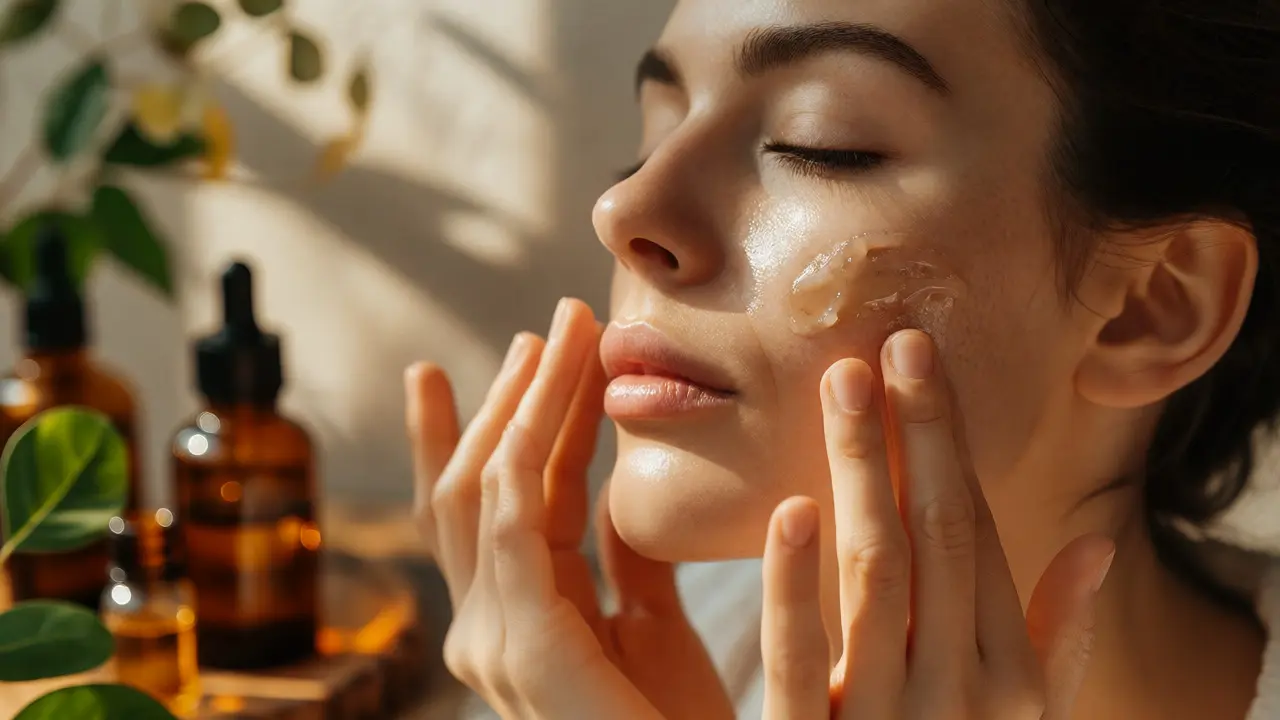
You’ve probably seen those tiny amber bottles on your friend’s bathroom shelf or heard someone rave about how a specific scent cleared their acne. But what is aromatherapy actually doing to your skin? It’s not just about smelling nice. When you apply diluted plant extracts topically, you’re delivering concentrated bioactive compounds directly to the barrier that protects you from the world. If you’ve been hesitant to try it because you’re afraid of breaking out or causing a reaction, this guide breaks down exactly how to use these potent tools safely and effectively.
The Science Behind Scent and Skin
Aromatherapy is a holistic healing treatment that uses natural plant extracts to promote health and well-being. In skincare, we focus on the topical application of essential oils, which are volatile aromatic compounds extracted from plants via steam distillation or cold pressing. Unlike synthetic fragrances, which are often just smell with no biological activity, essential oils contain molecules like linalool, limonene, and terpinen-4-ol that interact with skin cells. When you rub an oil into your cheek, two things happen. First, the aroma travels through your olfactory system to the limbic brain, influencing stress levels-which indirectly helps skin conditions like eczema that flare up during high-stress periods. Second, the compounds penetrate the stratum corneum (the outer layer of skin) to exert local effects, such as reducing inflammation or killing bacteria. This dual action makes aromatherapy unique compared to standard serums that only work topically.
Top Essential Oils for Specific Skin Concerns
Not all oils are created equal. Choosing the right one depends entirely on your skin type and goals. Here is a breakdown of the most effective options backed by dermatological research and traditional use.
| Skin Concern | Recommended Oil | Key Active Compound | Primary Benefit |
|---|---|---|---|
| Acne & Breakouts | Tea Tree Oil | Terpinen-4-ol | Antibacterial; reduces P. acnes bacteria count |
| Dryness & Aging | Rose Otto | Citronellol | Hydrating; improves skin elasticity and tone |
| Redness & Rosacea | Chamomile (Roman) | Chamazulene | Anti-inflammatory; calms visible capillaries |
| Oily/Pore-Clogging | Lavender | Linalyl acetate | Balances sebum production; soothing |
| Scarring & Texture | Frankincense | Boswellic acids | Promotes cell regeneration; tightens pores |
Notice that Lavender appears frequently. It is arguably the most versatile oil in the cabinet. While famous for sleep, its anti-inflammatory properties make it excellent for calming post-shave irritation or mild sunburns. However, if you have extremely sensitive skin, even Lavender can be irritating if used undiluted. Always check the source quality.
The Golden Rule: Dilution Matters
Here is where most beginners mess up. You cannot put pure essential oil directly on your face. They are too concentrated. Applying them neat (undiluted) can cause chemical burns, contact dermatitis, or sensitization over time. You need a carrier oil.
A carrier oil is a neutral vegetable oil derived from seeds, nuts, or kernels. It dilutes the essential oil so it spreads easily and absorbs without overwhelming the skin. For facial use, aim for a 1% to 2% dilution ratio. That means for every 30ml (1 ounce) of carrier oil, you add 6 to 12 drops of essential oil. Anything higher than 3% for daily facial use is risky unless directed by a specialist.
Which carrier should you choose? This depends on your skin’s needs:
- Jojoba Oil: Technically a wax ester, it mimics human sebum. Great for oily or combination skin because it doesn’t clog pores.
- Rosehip Seed Oil: Rich in vitamin A (retinol precursor) and fatty acids. Ideal for aging skin or hyperpigmentation.
- Grapeseed Oil: Lightweight and high in linoleic acid. Perfect for acne-prone skin that hates heavy textures.
- Apricot Kernel Oil: Gentle and nourishing. Best for dry or mature skin types.
Building Your Routine: Step-by-Step
Integrating aromatherapy into your existing regimen requires timing. You don’t want to mix everything together haphazardly. Follow this sequence to maximize absorption and minimize conflict between ingredients.
- Cleanse: Start with a gentle cleanser. Avoid harsh sulfates that strip the barrier, as essential oils can sting compromised skin.
- Tone (Optional): Use an alcohol-free toner to balance pH.
- Apply Serum/Water-Based Actives: If you use Vitamin C or Hyaluronic Acid, apply these first. Water-based products penetrate better before oils seal them in.
- Apply Aromatherapy Blend: Dispense 3-5 drops of your diluted blend onto fingertips and press gently into damp skin. Do not rub aggressively; pressing helps absorption.
- Moisturize: Lock everything in with your standard moisturizer if needed, though many find the oil blend sufficient on its own.
- Sunscreen (AM Only): Some citrus oils are phototoxic. See below for details.
Consistency beats intensity. Using a small amount daily yields better results than slathering on a large amount once a week. Give any new product at least four weeks to show changes in texture or clarity.
Safety First: Phototoxicity and Patch Testing
You might love the bright, uplifting scent of Lemon or Bergamot. But beware: many citrus oils are phototoxic. This means they react with UV rays to cause severe burns or dark spots (phytophotodermatitis). If you apply Bergamot essential oil to your face and then go out in the Sydney sun without protection, you could end up with blistering red marks that last months.
To avoid this:
- Use Furocoumarin-free versions of citrus oils (often labeled "FCF").
- Reserve citrus blends for nighttime use.
- Always wear SPF 30+ if using any botanical actives during the day.
Before trying any new oil, perform a patch test. Mix a tiny drop of your diluted blend and apply it to the inside of your elbow. Wait 24 hours. If there is no redness, itching, or swelling, it’s likely safe for your face. Remember, "natural" does not mean "non-allergenic." Poison ivy is natural, after all.
DIY Recipes to Try Tonight
You don’t need expensive branded creams. You can make simple, effective treatments at home. Here are three basic blends tailored for common issues.
The Acne Fighter
Mix 30ml of Grapeseed Oil with 4 drops Tea Tree Oil and 2 drops Lavender Oil. Apply to clean skin at night. Tea tree attacks bacteria, while lavender prevents the inflammation that leads to red, angry pimples.
The Glow Getter
In a small glass bottle, combine 30ml Rosehip Seed Oil with 3 drops Frankincense and 2 drops Geranium. This blend targets dullness and fine lines. Geranium helps balance oil production, making it suitable for mixed skin types seeking radiance.
The Calm Down
For stressed or reactive skin, mix 30ml Jojoba Oil with 3 drops Roman Chamomile and 2 drops Ylang Ylang. This is perfect for evening use when your mind is racing and your skin feels tight or flushed.

Quality Control: Spotting Fake Oils
The aromatherapy market is unregulated in many countries. You can buy a bottle labeled "Pure Lavender" that contains synthetic fragrance mixed with cheap filler. Synthetic scents lack therapeutic value and often cause headaches or allergies. Look for these signs of quality:
- Latin Name: The label must list the scientific name (e.g., *Lavandula angustifolia* for true lavender, not just "Lavender").
- Part Used: Does it say "flower," "leaf," or "root"?
- Extraction Method: Steam distilled or cold pressed are preferred.
- Price: Real Rose Otto costs hundreds of dollars per milliliter. If it’s $10 for 10ml, it’s fake.
Buy from reputable suppliers who provide GC/MS (Gas Chromatography/Mass Spectrometry) reports upon request. These tests verify the chemical composition of the batch.
Common Mistakes to Avoid
Even with good intentions, people often sabotage their progress. One major error is mixing too many oils at once. Stick to 2-3 oils max in a blend. More isn’t better; it’s just more chances for a reaction. Another mistake is ignoring pregnancy restrictions. Certain oils like Clary Sage, Jasmine, and Rosemary can stimulate uterine contractions. If you are pregnant or breastfeeding, consult a qualified aromatherapist before starting a new routine. Finally, don’t expect overnight miracles. Aromatherapy works cumulatively. Your skin barrier takes about 28 days to renew itself. Judge your results based on long-term trends, not daily fluctuations.
Frequently Asked Questions
Can I use essential oils around my eyes?
Be very careful. The skin around the eyes is thin and delicate. Most essential oils are too strong for this area. If you must, use a highly diluted blend (0.5%) of Chamomile or Frankincense in a gentle carrier like Apricot Kernel. Avoid Citrus, Peppermint, and Eucalyptus near the eyes entirely, as they can cause stinging or watery eyes.
Is aromatherapy safe for sensitive skin?
Yes, but with caution. Choose gentle oils like Lavender, Chamomile, or Sandalwood. Always perform a patch test first. Start with a lower dilution rate (0.5% - 1%) and gradually increase if tolerated. Avoid strong oils like Cinnamon, Clove, or Lemongrass, which are known irritants.
How long do opened essential oils last?
It varies by type. Citrus oils oxidize quickly and last 1-2 years. Floral and herbaceous oils like Lavender and Rosemary last 3-5 years. Resins and woods like Frankincense and Sandalwood can last 5-10 years or longer if stored correctly. Keep them in dark glass bottles, away from heat and sunlight, to extend their shelf life.
Can I mix essential oils with my store-bought moisturizer?
You can, but it’s tricky. Many commercial moisturizers contain preservatives and emulsifiers that may break down when exposed to the solvents in essential oils. It’s safer to add a drop of oil to your palm along with the cream right before applying, rather than dumping the whole bottle into the jar. This ensures freshness and stability.
What happens if I get essential oil in my eye?
Do not use water! Water repels oil and will spread it further. Instead, flush the eye with a plain carrier oil like Olive Oil, Coconut Oil, or Sunflower Oil. The carrier oil will help dissolve and wash away the essential oil. Blink repeatedly to help clear it out. Seek medical attention if pain persists.