Cross Fibre Release: The Health Revolution You Need to Know
Ever felt like your muscles are locked in a vice, no matter how much you stretch or foam roll? You’re not alone. Thousands of people deal with chronic tightness, nagging pain, or stiffness that won’t quit-even after months of massage, yoga, or physical therapy. The problem isn’t always the muscle itself. It’s the cross fibre release you’re missing.
What Is Cross Fibre Release?
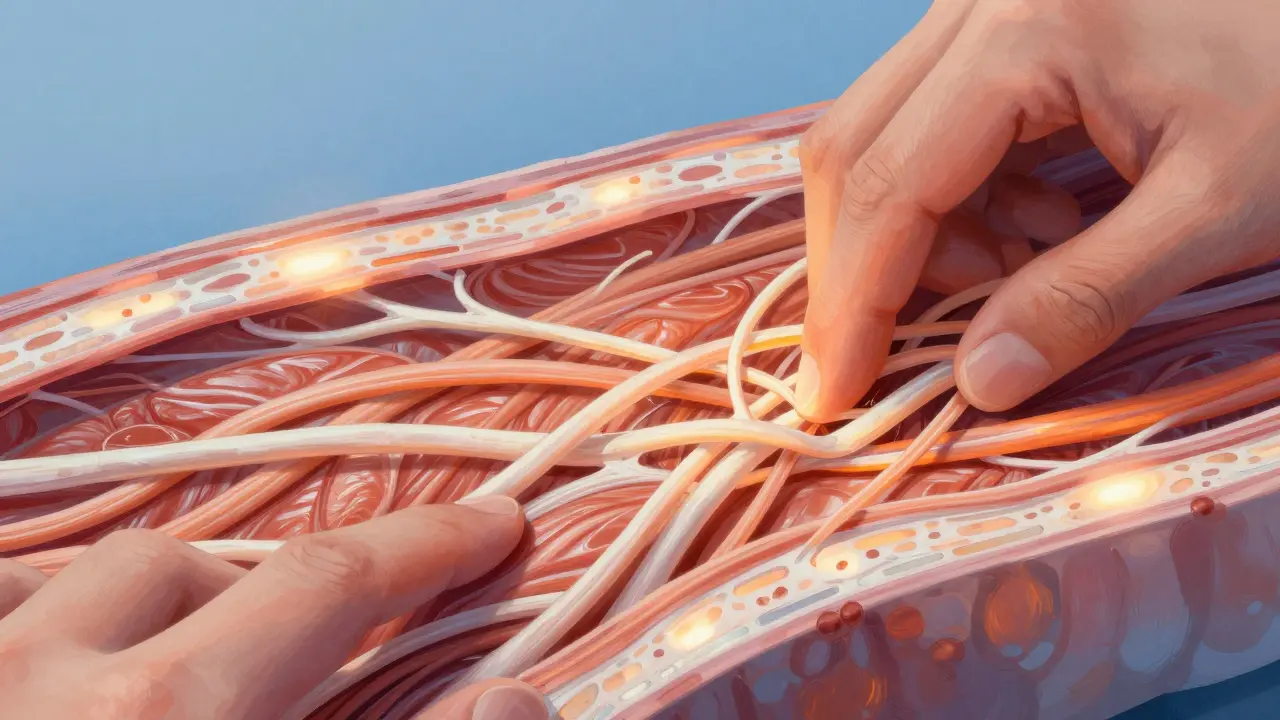
Cross fibre release isn’t a new gadget or expensive treatment. It’s a simple, hands-on technique used by physiotherapists, sports trainers, and massage therapists to break up scar tissue and adhesions in muscles and connective tissue. Unlike regular massage that moves along the length of the muscle, cross fibre release applies pressure perpendicular to the direction of the muscle fibres.
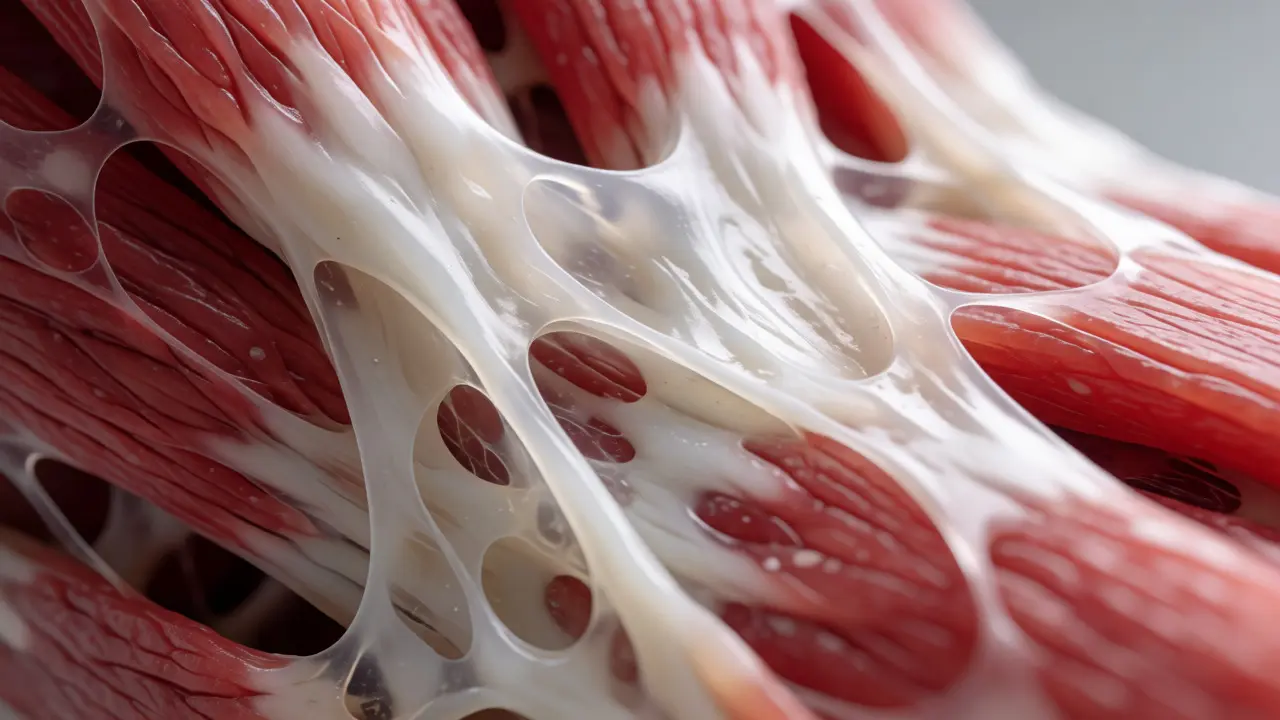
Think of it like untangling a knotted rope. If you pull on the ends, the knot stays tight. But if you rub back and forth across the knot, it starts to loosen. That’s cross fibre release in action. It targets the collagen fibres that get stuck together after injury, overuse, or inflammation. These stuck fibres form what’s called adhesions-areas where tissue fuses unnaturally, limiting movement and causing pain.
Studies from the Journal of Orthopaedic & Sports Physical Therapy show that cross fibre friction massage improves tissue elasticity by up to 40% in patients with chronic tendonitis. It’s not magic. It’s physics. And it works.
Why It Works When Everything Else Fails
Most people try stretching, heat packs, or deep tissue massage when they’re sore. But if the problem is scar tissue binding muscle fibres together, stretching just pulls on the wrong thing. You’re stretching healthy tissue around the knot, not fixing the knot itself.
Cross fibre release cuts through that. It breaks down the disorganized collagen that forms after an injury. When that tissue is broken down, the body rebuilds it properly-aligned, flexible, and strong. This isn’t just about feeling better today. It’s about preventing long-term damage.
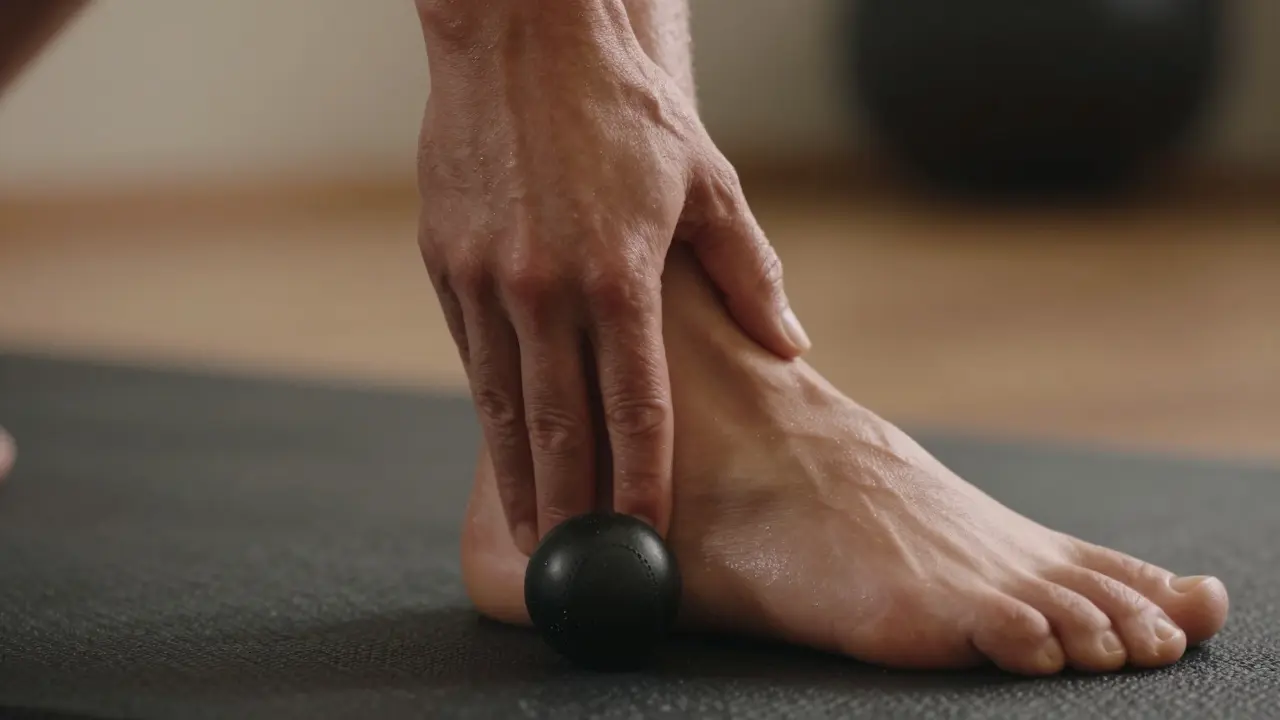
Take a runner with plantar fasciitis. They’ve tried orthotics, ice, and calf stretches. Nothing sticks. Why? Because the real issue isn’t the heel-it’s the thickened, stuck fascia running from heel to toe. Cross fibre release applied across the arch, not along it, can break up those fibres. Many patients report pain reduction within 3-5 sessions.
How to Do Cross Fibre Release Yourself
You don’t need a therapist to start. With the right technique, you can do this at home. Here’s how:
- Find the tight spot. It’s usually tender, feels like a rope or band under your skin, and doesn’t loosen with stretching.
- Use your thumb, knuckle, or a massage tool like a lacrosse ball or foam roller.
- Apply firm, steady pressure directly on the tight area. Not too hard-just enough to feel a deep ache, not sharp pain.
- Movements must be across the muscle or tendon. If it’s your forearm, move side to side. If it’s your hamstring, move left to right, not up and down.
- Hold for 10-15 seconds, then slowly slide your fingers or tool 1 cm along the tissue. Repeat for 2-3 minutes per spot.
Do this 2-3 times a week. Don’t go daily. Your tissue needs time to heal between sessions. Overdoing it can cause inflammation.
Best spots to try: Achilles tendon, rotator cuff, IT band, quadriceps, and the bottom of your foot. Avoid bony areas, joints, or areas with open wounds.
What It Feels Like (And What to Watch Out For)
The first time you do this, it’ll hurt. Not the ‘ouch’ kind of pain, but the ‘this is the pain I’ve been ignoring’ kind. It’s a deep, dull ache that spreads slightly. That’s normal. If you feel sharp, shooting, or electric pain, stop. You’re on a nerve or bone.
After the session, you might feel slightly sore for 12-24 hours. That’s your body repairing. Drink water. Move gently. Don’t ice it unless you’re swollen.
Some people feel immediate relief. Others need 3-4 sessions before they notice a difference. Don’t give up. This isn’t a quick fix. It’s a reset.
Who Should Avoid It
Cross fibre release isn’t for everyone. Avoid it if you have:
- Recent fractures or bone injuries
- Deep vein thrombosis (DVT)
- Blood clotting disorders
- Open wounds, infections, or severe skin conditions
- Advanced osteoporosis
- Pregnancy in the first trimester (avoid abdominal and lower back areas)
If you’re unsure, check with your physiotherapist or GP. They can tell you if it’s safe for your condition.
How It Compares to Other Therapies
| Technique | Direction of Pressure | Best For | Time to See Results | Can You Do It Yourself? |
|---|---|---|---|---|
| Cross Fibre Release | Perpendicular to fibres | Scar tissue, adhesions, chronic tightness | 3-7 sessions | Yes |
| Deep Tissue Massage | Along fibres | General muscle tension, relaxation | Immediate (temporary) | Partially |
| Myofascial Release | Slow, sustained stretch | Fascial restrictions, posture issues | 5-10 sessions | Yes |
| Trigger Point Therapy | Direct pressure on knots | Referred pain, muscle spasms | 1-3 sessions | Yes |
| Stretching | Lengthening fibres | Flexibility, range of motion | Weeks to months | Yes |
Here’s the key takeaway: cross fibre release fixes the root of the problem. Stretching and foam rolling help you feel better for a while. Cross fibre release helps you stay better.
Real Results: Stories From the Field
A 52-year-old office worker in Melbourne came to me with persistent shoulder pain for 18 months. She’d tried acupuncture, physio, and even cortisone shots. Nothing worked. We found a thick band of scar tissue along her deltoid. After four sessions of cross fibre release, she could lift her arm overhead without pain for the first time in years. She now does it herself twice a week.
A 28-year-old dancer had chronic calf tightness that kept her from jumping. She’d been told it was ‘just tight calves.’ But cross fibre release on her soleus tendon revealed adhesions from a sprain she’d ignored two years prior. After three sessions, she returned to full training. No more pain.
These aren’t outliers. They’re the norm.
Why This Isn’t Common Knowledge
Most people don’t know about cross fibre release because it’s not flashy. No machines. No apps. No viral TikTok trends. It’s old-school, hands-on work. It’s taught in physio schools, but rarely promoted to the public.
Also, it doesn’t fit the ‘quick fix’ culture. You can’t buy a $200 device and press a button. You have to learn the technique. That’s why it’s underused.
But here’s the truth: the most powerful tools are often the simplest. A thumb. A ball. A little patience. That’s all you need.
Getting Started: Your Action Plan
If you’re tired of masking pain with ibuprofen or temporary relief, here’s what to do next:
- Identify one area that’s been tight for more than 3 months.
- Watch a 5-minute video on cross fibre release for that body part (search: ‘cross fibre release [body part]’).
- Try it for 3 minutes, 3 times this week.
- Track how you feel after 7 days.
- If you notice even a 20% improvement, keep going.
Don’t wait for a therapist. Don’t wait for pain to get worse. Start today.
Frequently Asked Questions
Is cross fibre release the same as myofascial release?
No. Myofascial release uses slow, sustained pressure to stretch the fascia, often over several minutes. Cross fibre release uses short, focused strokes across the fibres to break up adhesions. They’re complementary, but different techniques.
Can I use a foam roller for cross fibre release?
Yes, but only if you can control the direction. Most people roll along the muscle. For cross fibre, you need to roll side-to-side. Use a smaller roller or a lacrosse ball for better precision. A large foam roller is better for general tension, not targeted adhesions.
How long does it take to see results?
Some feel relief after one session. Most notice real change after 3-5 sessions. Chronic issues take longer. Think of it like cleaning a clogged drain-you can’t flush it out in one go. It takes repeated, focused effort.
Should I warm up before doing cross fibre release?
Yes. Warm tissue responds better. Do 5 minutes of light movement-arm circles, leg swings, or walking-before you start. Cold tissue is more likely to tear or cause bruising.
Can cross fibre release help with arthritis pain?
It won’t fix joint degeneration, but it can help with the surrounding tightness that makes arthritis feel worse. For example, if your knee arthritis causes your quadriceps to tighten, releasing those fibres can reduce strain on the joint. Always avoid direct pressure on inflamed joints.
Is it safe to do cross fibre release on the neck?
Only under professional guidance. The neck has major blood vessels and nerves. If you’re not trained, avoid it. Stick to upper traps or shoulders instead. There are safer areas to start.
Next Steps
If you’ve tried everything and still feel stuck, it’s time to look beyond stretching and massage. Cross fibre release isn’t a miracle. But it’s one of the few techniques that actually repairs damaged tissue instead of just masking symptoms.
Start small. Pick one area. Try it for 5 minutes this week. Track your progress. You might be surprised how much better you feel in just a few days.
And if you’ve been living with pain for years? You don’t have to accept it. Your body is still capable of healing. You just need the right tool.