Breema: The Ultimate Path to Inner Peace and Wellness

Have you ever felt like your body was holding onto stress so tightly that even sleep couldn't release it? You lie down, close your eyes, but your shoulders remain up by your ears, and your jaw is clenched. This is where Breema, a holistic practice rooted in the idea of "being with," offers a radically different approach to healing than traditional massage or meditation. Unlike therapies that aim to fix or manipulate, Breema focuses on harmony and balance, inviting you to simply be present in your own body. It’s not about doing; it’s about being.
What Exactly Is Breema?
The word "Breema" comes from the Sanskrit phrase *bri-ama*, which translates roughly to "to rest in harmony." But don’t let the exotic origin confuse you. This isn’t necessarily a spiritual ritual requiring incense and chanting. At its core, Breema is a system of self-care and interpersonal touch designed to help individuals achieve a state of deep relaxation and awareness. Developed by Mikeya Moss in the late 1970s, it combines elements of yoga, martial arts, and somatic therapy into a unique modality.
Think of it this way: if traditional massage is like fixing a car engine-working on specific parts to make them run better-Breema is more like tuning an instrument. You aren’t forcing the strings tighter or looser; you’re adjusting the tension until the whole thing resonates clearly. The primary goal is to dissolve the barriers between you and your experience, creating a sense of unity with yourself and others.
The Three Core Principles of Breema
To understand why this practice feels so distinct, you need to grasp its foundational pillars. These aren’t just abstract concepts; they are practical tools you can apply immediately, whether you’re sitting at your desk or lying on a table.
- Being With: This is the heart of Breema. It means meeting whatever arises in the moment-pain, tension, emotion-without judgment or resistance. Instead of trying to push discomfort away, you acknowledge it. By staying present with sensation, you often find that the tension naturally begins to unravel because you’ve stopped fighting it.
- Harmony: Harmony refers to the alignment of mind, body, and spirit. In physical terms, this looks like balanced posture and relaxed breathing. In emotional terms, it means feeling centered rather than scattered. Breema practices use specific movements and touches to encourage this natural alignment, helping your nervous system shift from a "fight or flight" mode to a "rest and digest" state.
- Unity: Unity dissolves the separation between self and other. When practiced with another person, Breema creates a shared field of awareness. There is no giver and receiver; there is only a shared experience of presence. This principle is particularly powerful for those who feel isolated or disconnected from their bodies.
Breema Bodywork vs. Traditional Massage
If you’ve had Swedish or Deep Tissue massage before, you might wonder how Breema differs. The difference lies in intent and technique. Traditional massage often targets specific muscle groups to break up adhesions or reduce pain through pressure. It’s active work done on you.
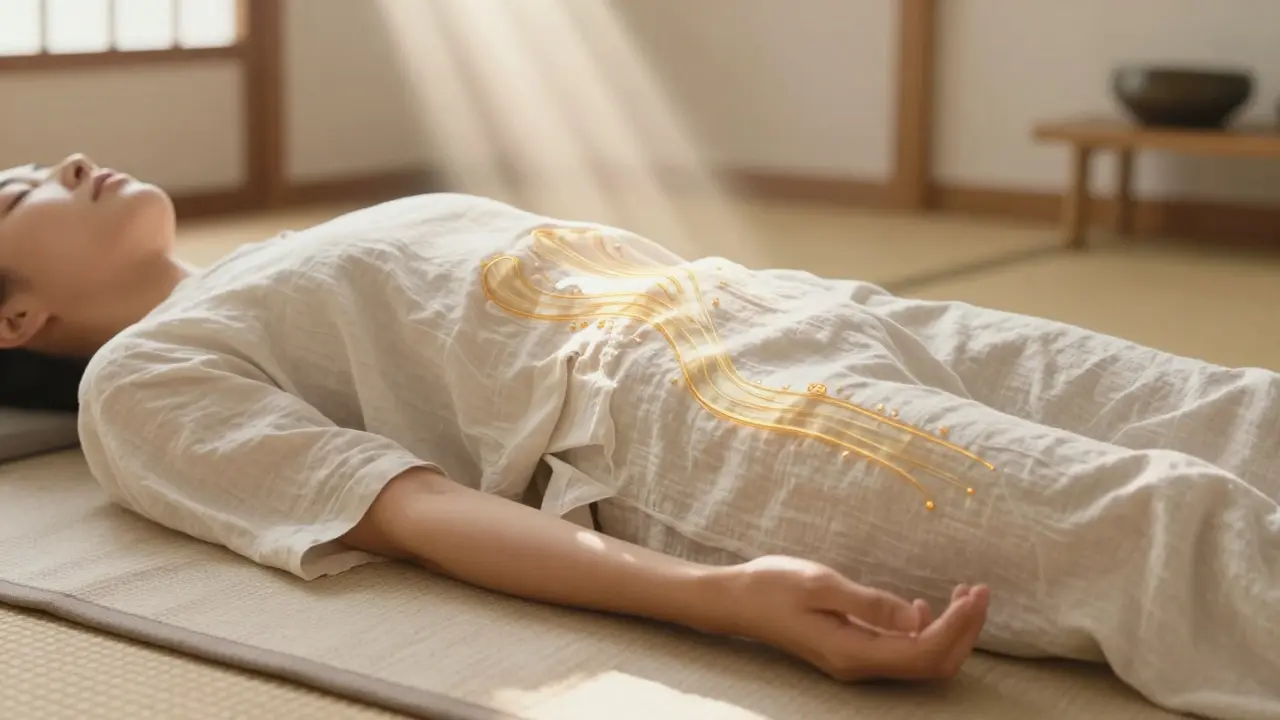
Breema Bodywork, however, is gentler and more receptive. Practitioners use long, flowing strokes and light pressure, focusing on the energy flow (often referred to as Chi or Prana) rather than just the muscular structure. The practitioner isn’t trying to "fix" you; they are offering a space for you to relax into yourself. Many people report that after a Breema session, they feel lighter and more spacious, whereas after deep tissue work, they might feel sore but physically loosened.
| Feature | Breema Bodywork | Traditional Massage |
|---|---|---|
| Primary Focus | Awareness and Presence | Muscular Relief and Pain Reduction |
| Pressure Level | Light to Medium | Medium to Deep |
| Practitioner Role | Facilitator of relaxation | Therapist working on tissues |
| Client Experience | Active participation in awareness | Passive reception of treatment |
| Aftereffects | Sense of calm and clarity | Physical relief, possible soreness |
Self-Care Practices You Can Try Today
You don’t need a certified practitioner to benefit from Breema. In fact, one of the most valuable aspects of the system is its emphasis on self-reliance. Here are two simple exercises you can do right now to start cultivating that sense of inner peace.
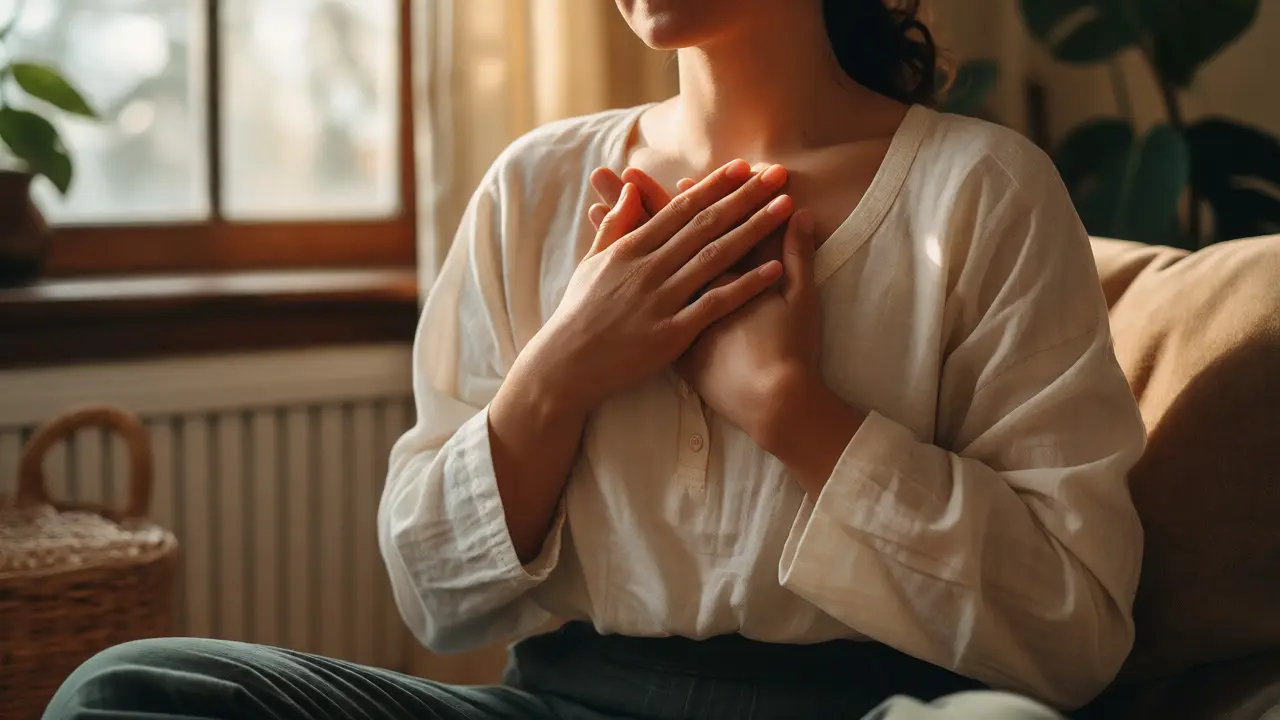
The Self-Massage Sequence: Start by placing your hands on your chest. Feel the warmth of your palms against your skin. Breathe deeply, letting your belly expand. Then, slowly move your hands down your arms, squeezing gently as you go. Notice the sensation of your own touch. Does it feel foreign? Familiar? The goal isn’t to rub hard, but to reconnect with the boundaries of your body. This simple act signals safety to your nervous system.
The Five Senses Exercise: Sit comfortably and close your eyes. Bring your attention to what you hear. Not what you think about hearing, but the actual sounds-the hum of the fridge, distant traffic, your own breath. Then, notice what you feel physically. The chair supporting your back, the air on your skin. Finally, notice what you see behind your eyelids. This grounds you in the present moment, breaking the cycle of mental rumination that often causes stress.
Who Benefits Most from Breema?
While anyone can benefit from deeper relaxation, certain groups find Breema particularly effective. If you suffer from chronic anxiety, the practice of "Being With" helps you stop fearing your own emotions. For athletes, it offers a way to recover without the aggressive manipulation that sometimes aggravates injuries. And for those recovering from trauma, the gentle, non-invasive nature of Breema provides a safe entry point into bodily awareness.
Consider Sarah, a corporate executive in Perth who struggled with insomnia. She tried various supplements and apps, but her mind wouldn’t quiet down. After learning basic Breema self-massage techniques, she reported falling asleep within minutes of starting the routine. Why? Because she stopped trying to force sleep and started allowing her body to settle. That shift from effort to acceptance is the magic of Breema.
Frequently Asked Questions
Is Breema a religious practice?
No, Breema is secular. While it draws inspiration from Eastern philosophies and uses some Sanskrit terminology, it does not require any belief system. It is a practical tool for mindfulness and physical relaxation accessible to people of all faiths or no faith.
Do I need to be flexible to practice Breema?
Absolutely not. Breema is not a yoga class. The movements involved in self-care practices are simple stretches and touches that accommodate all levels of mobility. The focus is on internal awareness, not external flexibility.
How is Breema different from Reiki?
Reiki involves channeling universal life force energy through the practitioner's hands, often without physical contact. Breema typically involves gentle physical touch and emphasizes the client's active role in maintaining awareness. Both aim for relaxation, but Breema places a stronger emphasis on the mutual exchange of presence between practitioner and client.
Can Breema help with chronic pain?
Yes, many users report relief from chronic pain. By reducing the muscular tension caused by stress and changing the relationship with pain through mindful awareness, the perception of pain often diminishes. However, it should complement, not replace, medical treatment for serious conditions.
How long does a typical Breema session last?
A standard professional session usually lasts between 60 to 90 minutes. This allows enough time for the body to fully unwind and enter a state of deep relaxation. Shorter sessions can still be beneficial, especially when focusing on specific areas of tension.
Next Steps to Integrate Breema Into Your Life
Starting your journey toward inner peace doesn’t require a massive lifestyle overhaul. Begin small. Dedicate five minutes each morning to the self-massage sequence described above. Pay attention to how your body feels before and after. Do you feel more grounded? More alert?
If you find value in these self-practices, consider seeking out a certified Breema practitioner in your area. Look for someone who aligns with your personal comfort levels regarding touch and communication. Remember, the goal isn’t perfection; it’s presence. Every time you choose to breathe and be with yourself instead of rushing, you are practicing Breema.