Ayurvedic Massage: How Abhyanga Heals Body and Mind
You’ve probably heard the term ayurvedic massage thrown around in wellness circles, maybe seen it on a spa menu, or had a friend rave about how it changed their life. But what actually happens during this treatment? Is it just a fancy name for rubbing oil into your skin, or is there something deeper at play?
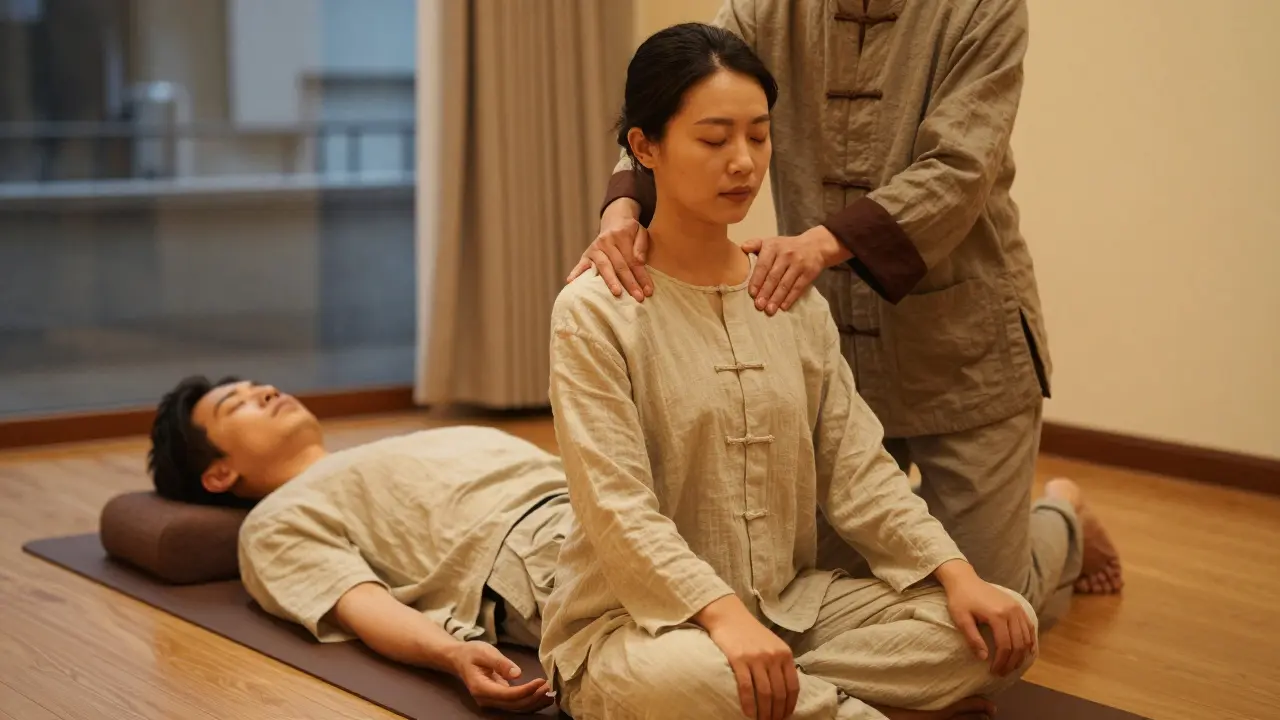
Here’s the truth: Ayurvedic massage, known traditionally as Abhyanga, is not just relaxation. It is a therapeutic practice rooted in a 5,000-year-old Indian medical system that views health as a balance of energy systems within the body. Unlike Swedish massage, which focuses on muscle tension, Abhyanga targets the nervous system, circulation, and lymphatic flow using specific techniques and medicated oils. If you’re feeling stuck, tired, or disconnected from your body, this might be the reset button you need.
| Feature | Ayurvedic Massage (Abhyanga) | Swedish Massage | Deep Tissue Massage |
|---|---|---|---|
| Primary Goal | Balancing Doshas & Detoxification | General Relaxation | Pain Relief & Muscle Release |
| Medium Used | Warm Medicated Oils (Sesame, Coconut) | Cold or Room Temp Lotions/Oils | Firm Pressure, Minimal Oil |
| Technique | Long Strokes, Rhythmic, Holistic | Kneading, Gliding, Friction | Slow, Deep Strokes against grain |
| Aftercare | Rest, Hydration, Light Meal | Normal Activity | Hydration, Stretching |
Understanding the Core Concept: Doshas and Energy Flow
To get value out of an ayurvedic massage, you first need to understand the framework it operates within. Ayurveda categorizes everyone into three primary bio-energies, or Doshas: Vata (air/space), Pitta (fire/water), and Kapha (earth/water). Your unique combination of these determines your physical build, mental tendencies, and susceptibility to illness.
A certified practitioner won’t just start rubbing your back. They’ll likely ask about your digestion, sleep patterns, stress levels, and even your emotional state before touching you. Why? Because the goal is to pacify an aggravated dosha. For instance, if you have high Vata energy-often manifested as anxiety, dry skin, or insomnia-the therapist will use heavy, grounding strokes with warm sesame oil. If you’re Pitta-dominant, prone to inflammation or irritability, they might choose cooling coconut oil and gentler, flowing movements. This personalized approach is what separates true Ayurvedic therapy from generic bodywork.
The Power of Warm Oil Therapy
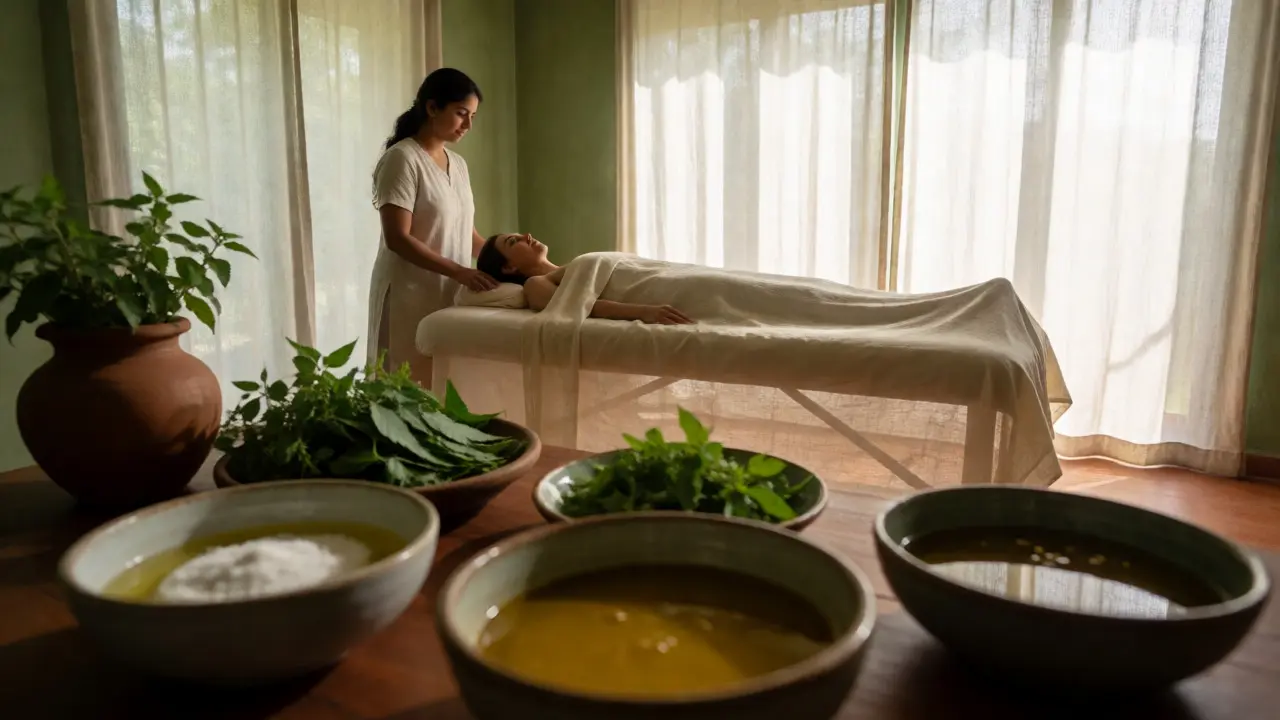
If you’ve never experienced hot oil massage, prepare yourself. The sensation is distinctively different from cold lotion applications. In Ayurveda, heat is considered a medicine. Warming the oil before application helps it penetrate deeper into the tissues (dhatu) rather than sitting on the surface.
- Sesame Oil: The gold standard for Vata types. It is warming, penetrating, and deeply nourishing for joints and nerves.
- Coconut Oil: Ideal for Pitta types. It cools the body, reduces inflammation, and is lighter on the skin.
- Mustard Oil: Often used for Kapha types to stimulate circulation and break up stagnation.
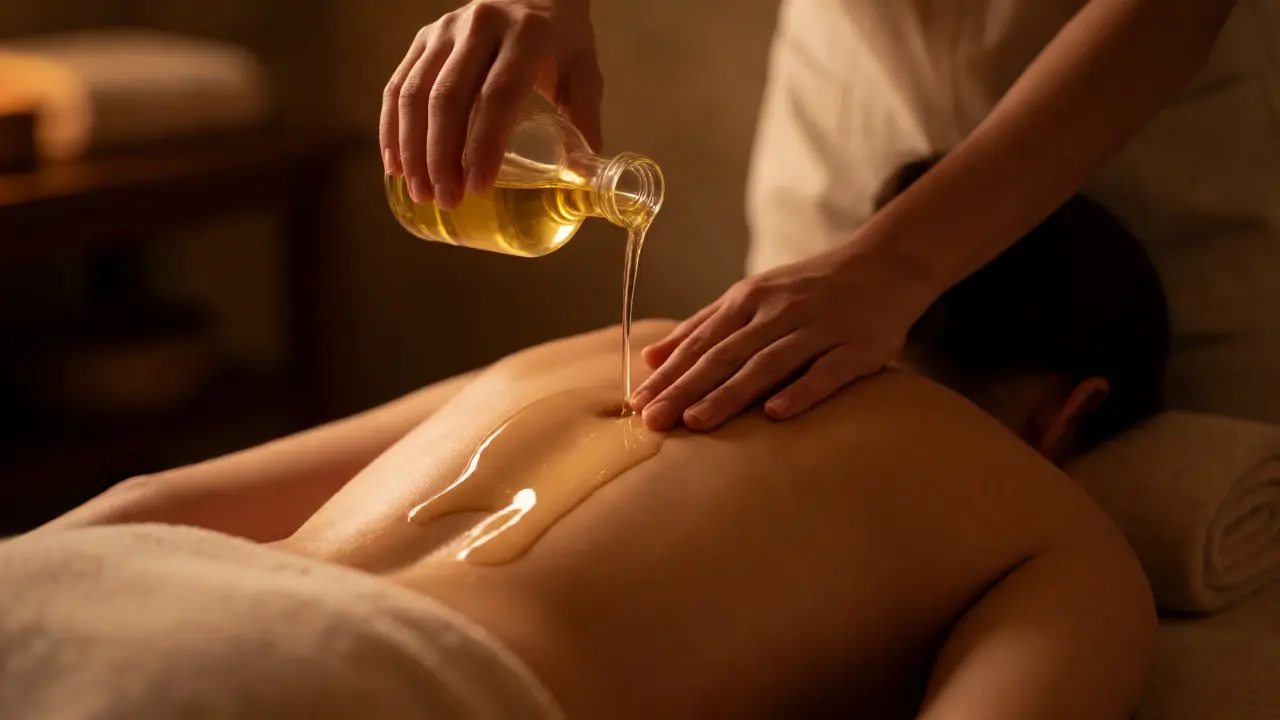
During the session, the therapist doesn’t just apply oil; they pour it in steady streams along the spine and limbs while massaging. This continuous flow creates a rhythmic, almost hypnotic effect that signals your parasympathetic nervous system-the "rest and digest" mode-to take over. Many clients report entering a meditative state where time seems to dissolve. It’s not just about loosening muscles; it’s about calming the mind through sensory input.
Step-by-Step: What to Expect During Your Session
Knowing the protocol helps you relax and maximize benefits. Here’s a typical timeline for a 60-minute Abhyanga session:
- Consultation (10 mins): You discuss your current health status. The therapist identifies your dominant dosha imbalance.
- Preparation (5 mins): You undress privately and lie on a table covered with towels. The room is kept warm because exposure to cold drafts can cause toxins (ama) to re-enter the body through open pores.
- Application (30-40 mins): The therapist applies warm oil starting from the head down to the toes. Long, sweeping strokes follow the direction of hair growth to calm the nervous system. Shorter, circular motions are used on joints like knees and elbows.
- Head and Face Focus (10 mins): Special attention is given to the scalp and face, areas rich in nerve endings. This often includes gentle ear pulls and forehead massage to relieve sinus pressure and headaches.
- Integration (5 mins): You remain still while the oil absorbs. The therapist may cover you with a warm blanket.
Note: Do not shower immediately after. The oil needs time to absorb. Most practitioners recommend waiting at least one hour before bathing with warm water and mild soap.
Physical Benefits Beyond Relaxation
While the mental clarity is immediate, the physiological changes are cumulative. Regular ayurvedic massage improves Lymphatic Drainage, helping the body flush out metabolic waste products more efficiently. This is crucial for people dealing with chronic fatigue or post-viral recovery.
Additionally, the friction and heat improve blood circulation, delivering oxygen and nutrients to tissues that may have been starved by sedentary lifestyles. For those with joint pain, the lubricating properties of the oil reduce stiffness. A study published in the *International Journal of Ayurveda Research* noted significant reductions in cortisol levels and improvements in sleep quality among participants undergoing regular Abhyanga. It’s not magic-it’s physiology.
Mental and Emotional Healing
We live in a culture that values productivity over presence. Our bodies hold onto stress physically-tight shoulders, clenched jaws, shallow breathing. Ayurvedic massage addresses this somatic storage of emotion. When a therapist works on the solar plexus area, for example, many people experience sudden waves of emotion or relief. This isn’t unusual; it’s the release of stored tension.
The ritual itself promotes mindfulness. Being touched with intention and care triggers the release of oxytocin, the bonding hormone, which counteracts stress hormones like adrenaline. Over time, this rewires the brain’s response to stress, making you less reactive and more resilient. It’s a form of self-care that teaches you to listen to your body’s subtle signals again.
Home Practice: DIY Abhyanga Tips
You don’t need a clinic every week to reap the benefits. You can perform simplified self-massage at home. Here’s how to start safely:
- Choose the Right Oil: Use organic, cold-pressed sesame oil for most people. Warm it slightly in a bowl of hot water before use.
- Start Small: Begin with your feet and legs. Sit comfortably and rub oil into soles and calves using long downward strokes.
- Follow the Direction: Always stroke toward the heart on limbs to support venous return.
- Keep it Warm: Wrap yourself in a towel afterward. Avoid air conditioning or fans.
- Consistency Matters: Five minutes daily is better than one hour once a month.
Be cautious if you have fever, acute inflammation, or skin infections. Skip the oil in these cases and consult a professional.
Frequently Asked Questions
How often should I get an Ayurvedic massage?
For general wellness, once a month is sufficient. However, if you are addressing a specific imbalance, such as chronic anxiety or digestive issues, weekly sessions for four weeks followed by bi-weekly maintenance are often recommended. Listen to your body; some people feel best with weekly treatments, while others find them too stimulating.
Can I do Ayurvedic massage during pregnancy?
Yes, but with modifications. Pregnancy Abhyanga uses gentler pressure and avoids certain acupressure points. It can help reduce swelling, lower back pain, and emotional stress. Always inform your therapist about your trimester and any complications. Avoid abdominal massage unless specifically trained and approved by your healthcare provider.
What should I wear to my appointment?
Most clinics provide disposable underwear or draping sheets. Wear loose, comfortable clothing that you don’t mind getting oily. Dark colors are preferable since oil stains can be difficult to remove. Bring a change of clothes if you plan to go somewhere directly after.
Is Ayurvedic massage painful?
No. Unlike deep tissue massage, Abhyanga is generally soothing and rhythmic. The pressure is moderate and adjustable. If you prefer firmer work, communicate this to your therapist, but remember that the goal is circulation and absorption, not breaking down scar tissue aggressively.
Why do I feel tired after the massage?
This is common and often referred to as a "healing crisis." The massage stimulates detoxification processes, shifting energy inward. Fatigue indicates your body is processing the release of tension and toxins. Rest, hydrate with warm water, and eat light, cooked foods to support this transition.
Next Steps for Your Wellness Journey
If you’re new to this, book a consultation with a certified Ayurvedic practitioner rather than just a spa technician. Ask them about their training in classical texts and how they customize oils. Start with a full-body session to understand the baseline. Then, experiment with self-massage routines between appointments. Pay attention to how your skin, sleep, and mood change over the next few weeks. That feedback loop is where the real magic lies-not in the oil alone, but in the awareness it cultivates.