Acupressure for Anxiety: How to Calm Your Mind Naturally
Imagine you're stuck in a crowded train or facing a high-stakes presentation, and suddenly your heart starts racing, your palms get sweaty, and your mind spins into a whirlwind of "what ifs." For many of us, anxiety isn't just a feeling; it's a physical takeover. While medication and therapy are vital tools, there's a quiet, portable power right at your fingertips-literally. You don't need a clinic, a prescription, or a quiet room to find a moment of peace.
Acupressure is a traditional healing practice based on the principles of Traditional Chinese Medicine (TCM) that involves applying physical pressure to specific points on the body. Unlike acupuncture, which uses needles, this method relies on your own fingers, palms, or elbows to stimulate the body's natural healing response. By targeting these "trigger points," you can signal your nervous system to switch from a state of fight-or-flight to a state of rest and digest.
Quick Wins for Immediate Calm
- The Hall Point (Yintang): Located exactly between your eyebrows. Applying gentle pressure here helps clear a cluttered mind and reduces insomnia.
- The Inner Gate (Neiguan): Found three finger-widths above the wrist crease. This is the gold standard for nausea and that "tight chest" feeling that comes with panic.
- The Union Valley (Hegu): The fleshy web between your thumb and index finger. Great for releasing tension headaches caused by stress.
The Science of Why Pressing Points Works
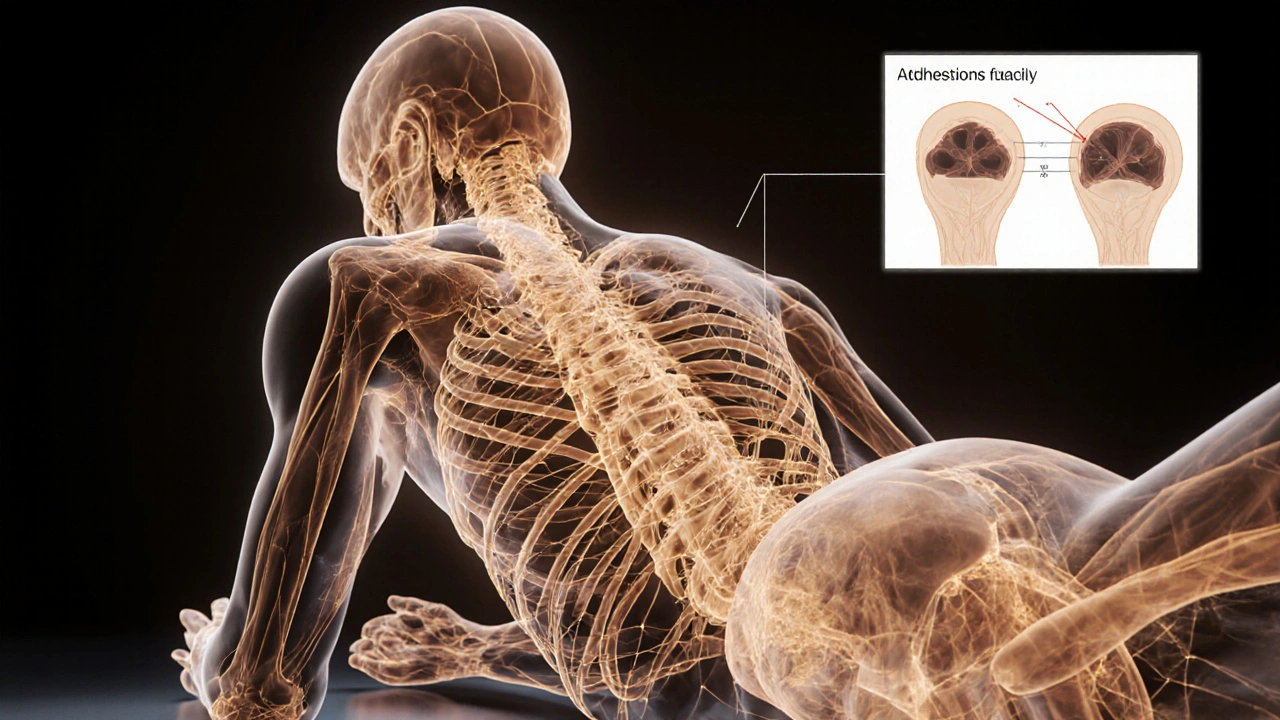
It might seem like magic, but there's a biological mechanism at play. When you apply pressure to these points, you're essentially hacking your Parasympathetic Nervous System. This part of your nervous system is responsible for slowing your heart rate and lowering blood pressure. Research into the Vagus Nerve-the longest nerve in the body-shows that stimulating certain physical areas can trigger a release of endorphins and dopamine, the body's natural "feel-good" chemicals.
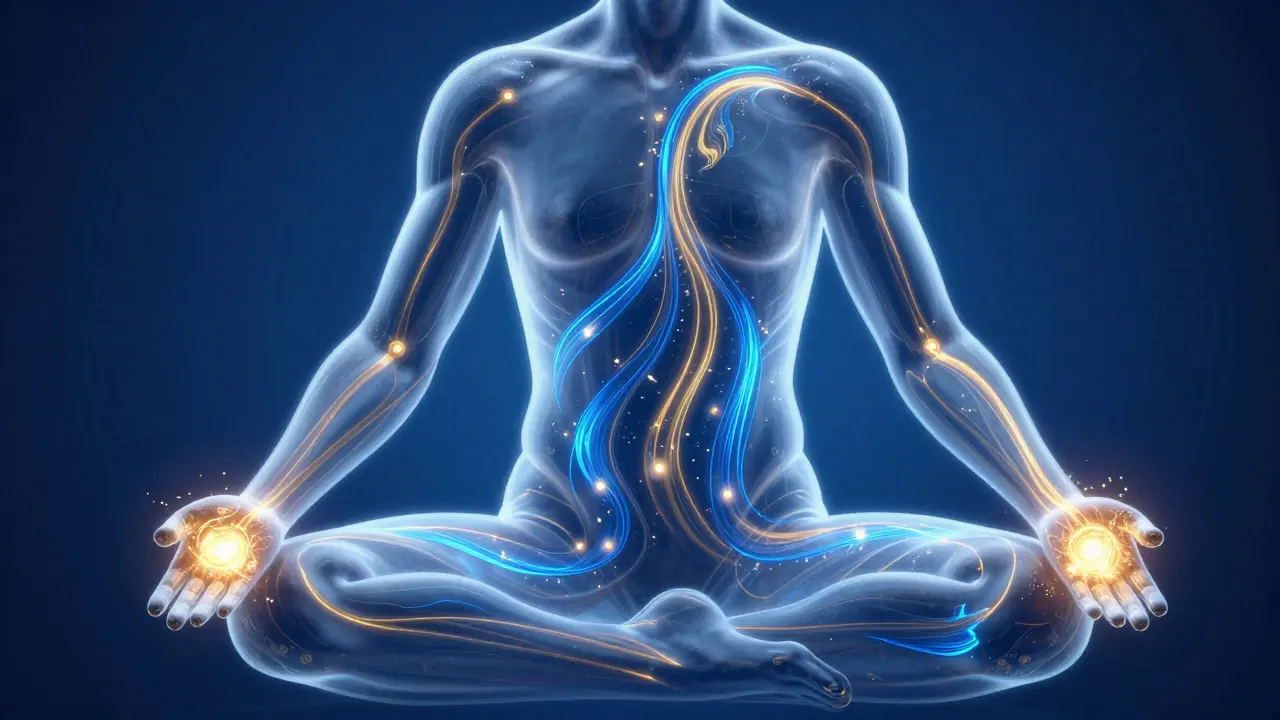
In acupressure for anxiety, the goal is to unblock the flow of Qi (pronounced 'chee'), which TCM describes as vital energy. When Qi becomes stagnant due to stress or trauma, it manifests as physical tension or mental distress. By applying pressure, you're essentially "unclogging the pipe," allowing energy to move freely again.
Step-by-Step Guide to the Most Effective Anxiety Points
You don't need to be a certified practitioner to get results. The key is consistency and the right technique: use firm, steady pressure or a small circular motion for 1 to 3 minutes per point.
1. The Third Eye (Yintang)
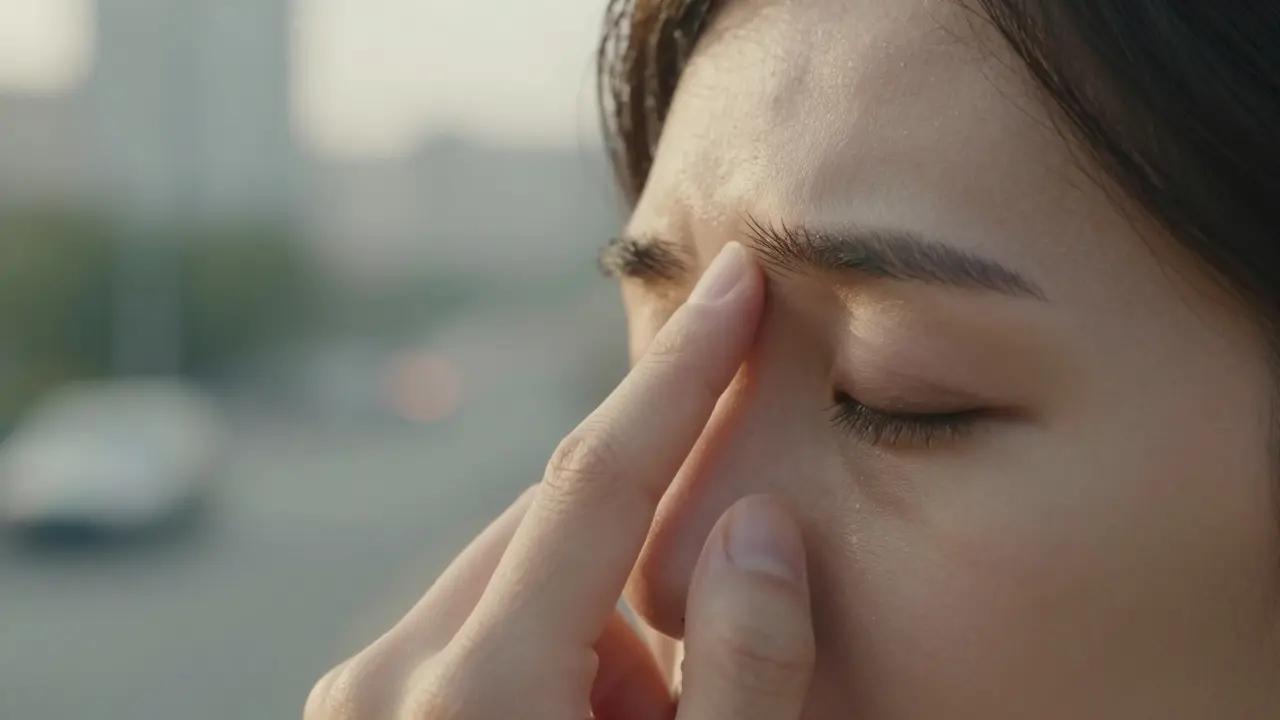
When your thoughts are racing and you can't focus, start here. Close your eyes and use your index finger or thumb to press the area between your eyebrows. Take deep breaths, imagining the tension leaving your forehead. This point is specifically linked to calming the mind and reducing the "noise" of a busy day.
2. The Heavenly Gate (Shen Men)
This point is located in the upper shell of your ear. If you've ever felt a sudden spike of panic, try massaging the rim and the hollow of your ear. The Auricular Acupressure system is highly connected to the brain's emotional centers, making this one of the fastest ways to lower cortisol levels during a stressful event.
3. The Great Rushing (Tai Chong)
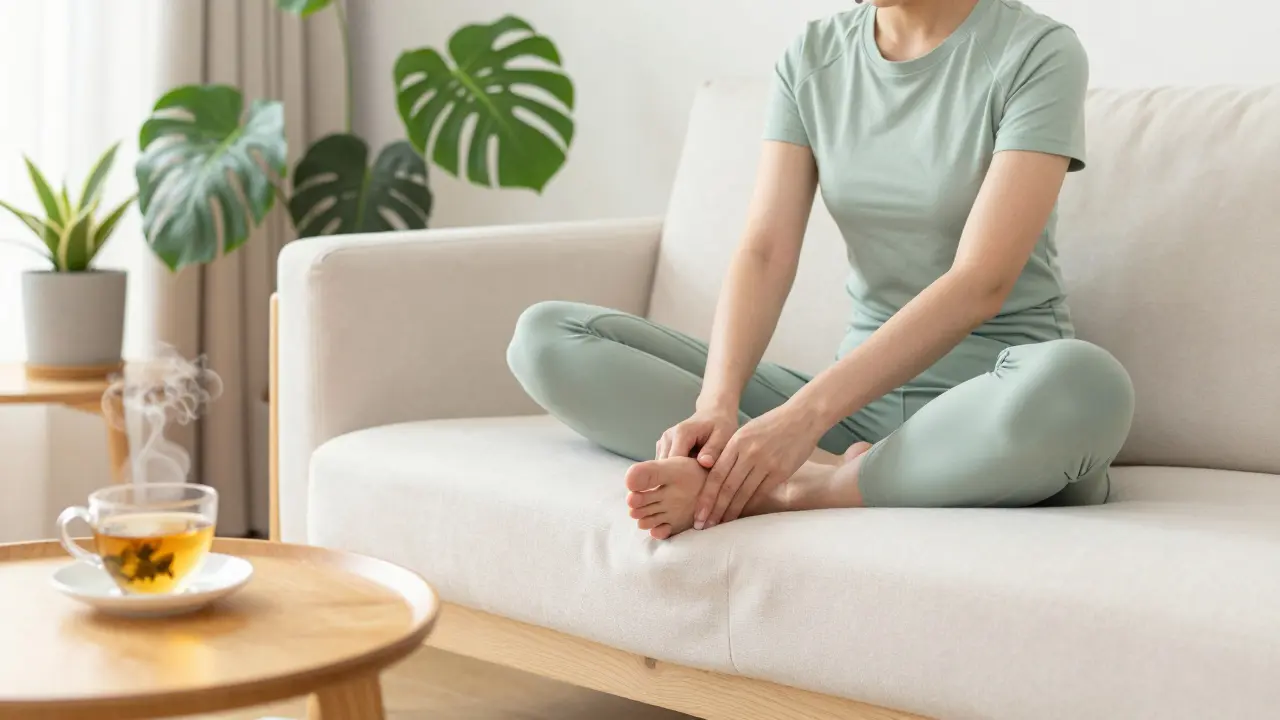
Look at the top of your foot. There is a valley between your big toe and the second toe. Apply firm pressure here. This is the primary point for releasing anger, frustration, and that "wound up" feeling. It's incredibly effective when you feel like you're about to snap at someone or can't stop pacing the room.
4. The Sea of Tranquility (Zu San Li)
Located about four finger-widths below the knee on the outer side of the shinbone. While often used for digestion, it is a power point for overall grounding. If you feel "floaty" or disconnected from reality during an anxiety attack, pressing this point helps bring you back into your body.
| Point Name | Location | Primary Benefit | Best Use Case |
|---|---|---|---|
| Yintang | Between eyebrows | Mental clarity | Racing thoughts |
| Neiguan | Inner wrist | Calms heart rate | Panic attacks |
| Hegu | Web of thumb/index | Tension release | Stress headaches |
| Tai Chong | Foot (big toe web) | Emotional balance | Irritability/Anger |
Integrating Acupressure Into Your Daily Routine
You don't have to wait for a crisis to use these techniques. In fact, the most successful way to manage anxiety is to use acupressure preventatively. Think of it like stretching before a workout; you're preparing your nervous system to handle stress better.
Try creating a "calmness circuit." Spend two minutes on your wrist, two minutes on your forehead, and two minutes on your feet every morning. This signals to your brain that you are safe and in control before the chaos of the day begins. If you work in an office, the wrist points are particularly discreet-you can press them under your desk during a stressful meeting, and no one will even know you're doing it.
Common Mistakes to Avoid
A lot of people start with too much pressure, thinking that "harder is better." This is actually counterproductive. If you cause pain, your body may produce more cortisol, which is the opposite of what we want. The pressure should be firm but comfortable. If you feel a dull ache, you've hit the right spot. If you feel sharp pain, back off.
Another common error is ignoring the breath. If you're pressing a point while holding your breath or breathing shallowly, you're fighting against yourself. Pair every press with a slow, four-second inhale and a six-second exhale. This combination of physical stimulation and controlled breathing creates a powerful synergistic effect on the Autonomic Nervous System.
Comparing Acupressure to Other Natural Methods
How does this stack up against things like mindfulness or herbal teas? While Mindfulness Meditation is incredibly powerful, it can be difficult for someone in the middle of a panic attack to "just be present." Acupressure provides a physical anchor-something concrete to focus on-which makes it an ideal bridge to more mental practices.
Unlike herbal supplements, which can take 30 minutes to digest or have potential drug interactions, acupressure is instant and carries virtually zero risk for the average person. It is a tool of empowerment, giving you a way to regulate your own emotions without needing external substances.
Frequently Asked Questions
Can acupressure completely replace anxiety medication?
Acupressure is a complementary therapy, not a replacement for medical treatment. While it can significantly reduce the frequency and intensity of anxiety symptoms, it should be used alongside a professional treatment plan. Always talk to your doctor before changing or stopping any prescribed medications.
How long does it take to feel the effects?
Many people feel a shift in their heart rate or a sense of relaxation within 60 to 90 seconds of applying pressure to a point like the Inner Gate. However, for long-term anxiety management, practicing these techniques daily for 2-4 weeks typically yields the most stable results.
Are there any side effects?
Acupressure is generally very safe. The most common "side effect" is mild tenderness at the pressure point. However, people with blood clotting disorders, severe skin infections, or those who are pregnant should consult a healthcare provider, as some points can stimulate uterine contractions.
Can I perform acupressure on other people?
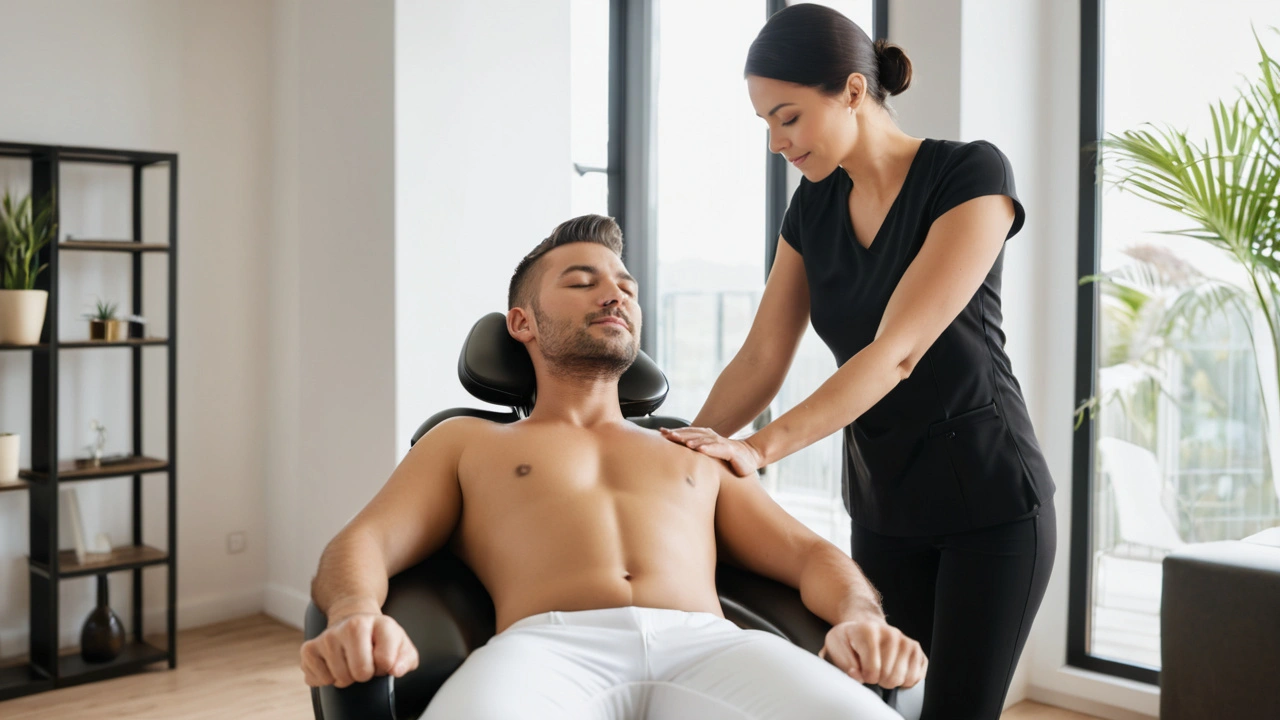
Yes, you can. In fact, providing acupressure to a partner or friend can be a soothing experience for both parties. Just ensure you have their consent and ask them to tell you if the pressure is too firm. Avoid the more sensitive areas unless you have been trained in basic anatomy.
Which point is best for a panic attack?
The Neiguan (Inner Gate) point on the wrist is usually the most effective for the physical symptoms of panic, such as chest tightness and rapid heartbeat. Pairing this with the Yintang (Third Eye) point helps address the mental spiral simultaneously.
Next Steps for Your Wellness Journey
If you're new to this, start small. Pick one point-maybe the Yintang between your brows-and commit to using it for three minutes every night before bed. Once you feel that a specific point works for you, add another to your repertoire.
If you find that your anxiety remains overwhelming despite these tools, consider exploring Cognitive Behavioral Therapy (CBT) or consulting a licensed acupuncturist who can provide deeper, more targeted treatment. Remember, the goal isn't to be "perfectly calm" all the time, but to have a toolkit that allows you to return to center when life gets chaotic.