
How Shiatsu Improves Digestion: A Practical Guide
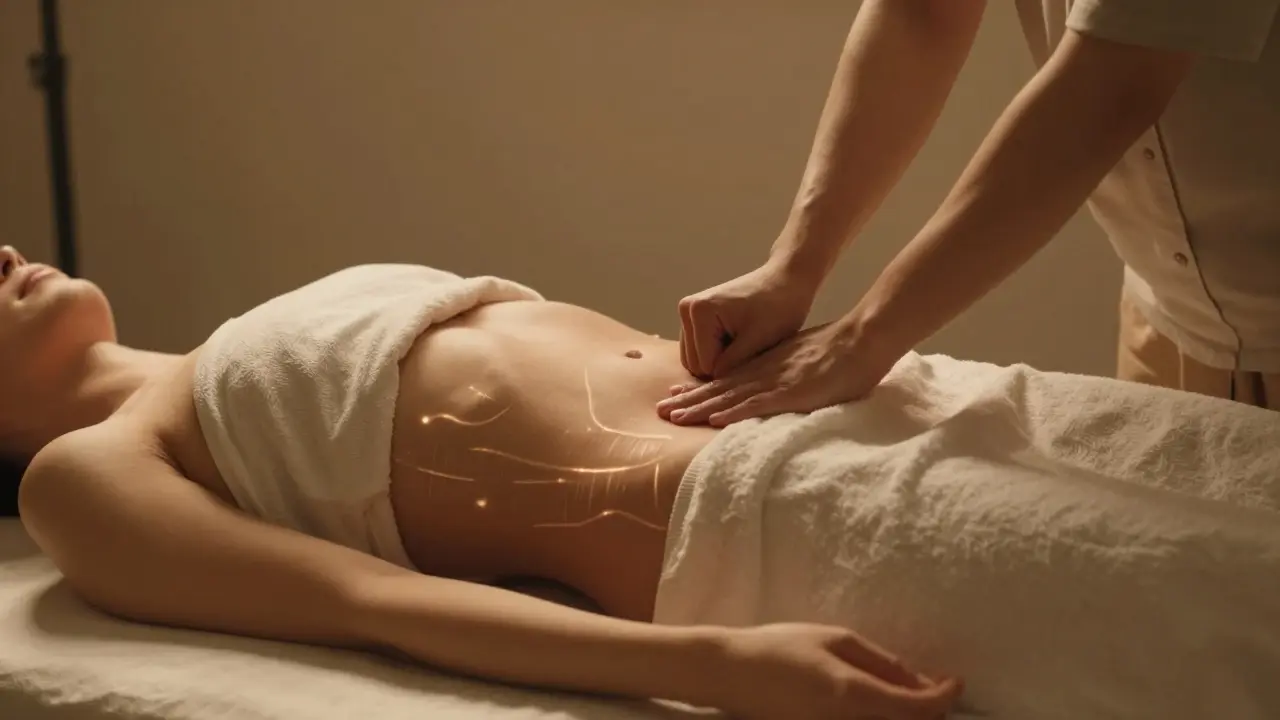
Ever felt bloated after eating, even when you didn’t overdo it? Or maybe you’ve had that stubborn stomach ache that painkillers just can’t touch? If you’ve tried diet changes, probiotics, and even elimination plans-but still no relief-you’re not alone. Thousands of people turn to shiatsu not because it’s trendy, but because it works where other methods stall.
Shiatsu isn’t just another massage. It’s a Japanese bodywork technique rooted in traditional Chinese medicine. While most people think of it for shoulder tension or back pain, its real hidden power lies in how it interacts with your digestive system. The connection isn’t theoretical. It’s physical, measurable, and backed by decades of clinical observation.
How Shiatsu Targets the Gut
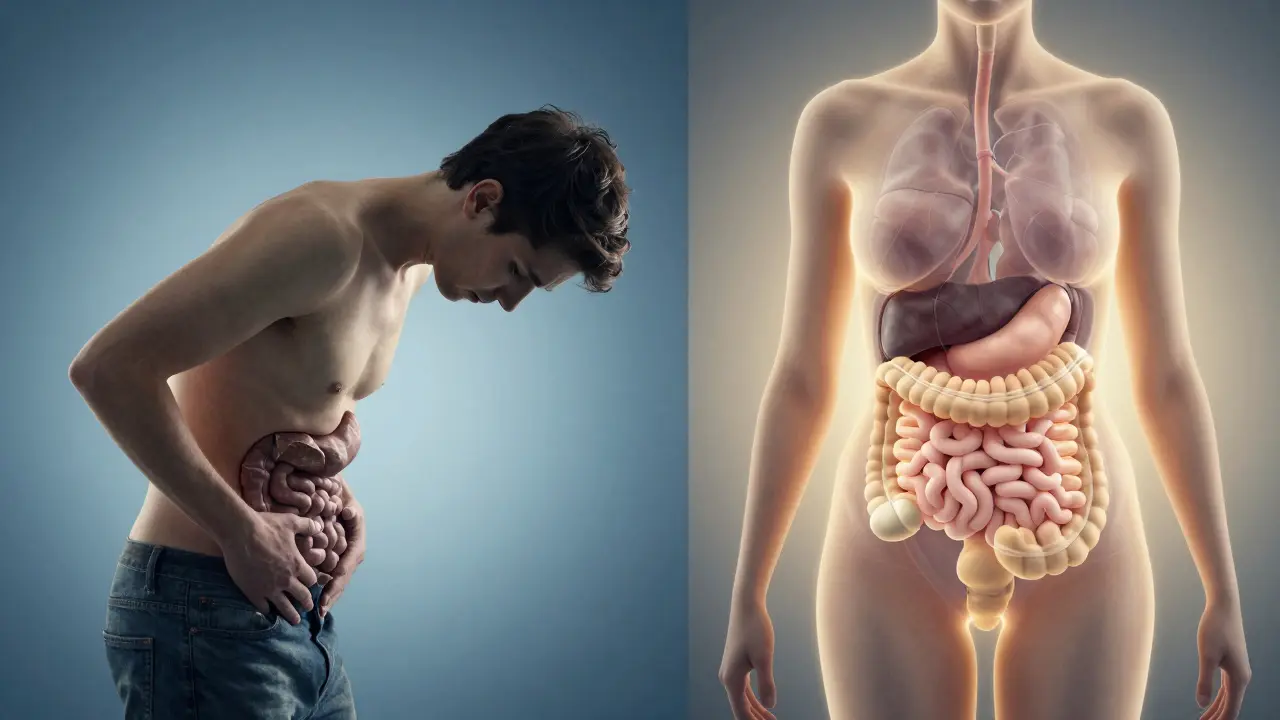
Your digestive tract runs like a highway from mouth to anus, and it’s lined with nerves that connect directly to your spine and brain. When stress hits-or when your muscles tighten around your abdomen-those nerves get stuck in overdrive. This triggers sluggish digestion, gas buildup, and even reflux.
Shiatsu uses finger pressure, palms, and thumbs to apply rhythmic pressure along specific meridians. These aren’t random spots. They follow energy pathways linked to organs, including the stomach, spleen, liver, and large intestine. When pressure is applied correctly, it stimulates blood flow, releases muscle tension, and resets nerve signals.
For example, pressing firmly but gently along the midline of your abdomen-just below the ribs and above the navel-can activate the stomach meridian. This point, known as ST-36 in acupuncture, is widely studied. Research from the Journal of Traditional Chinese Medical Sciences showed that regular stimulation of this point improved gastric motility in 78% of participants with slow digestion.
The Role of Abdominal Pressure
Most massages avoid the belly. Shiatsu doesn’t. That’s intentional. The abdominal area holds your largest collection of digestive organs, and it’s also where stress gets stored. Think about it: when you’re anxious, do you hunch over? Tighten your abs? That constant clenching compresses your intestines, slowing food movement and trapping gas.
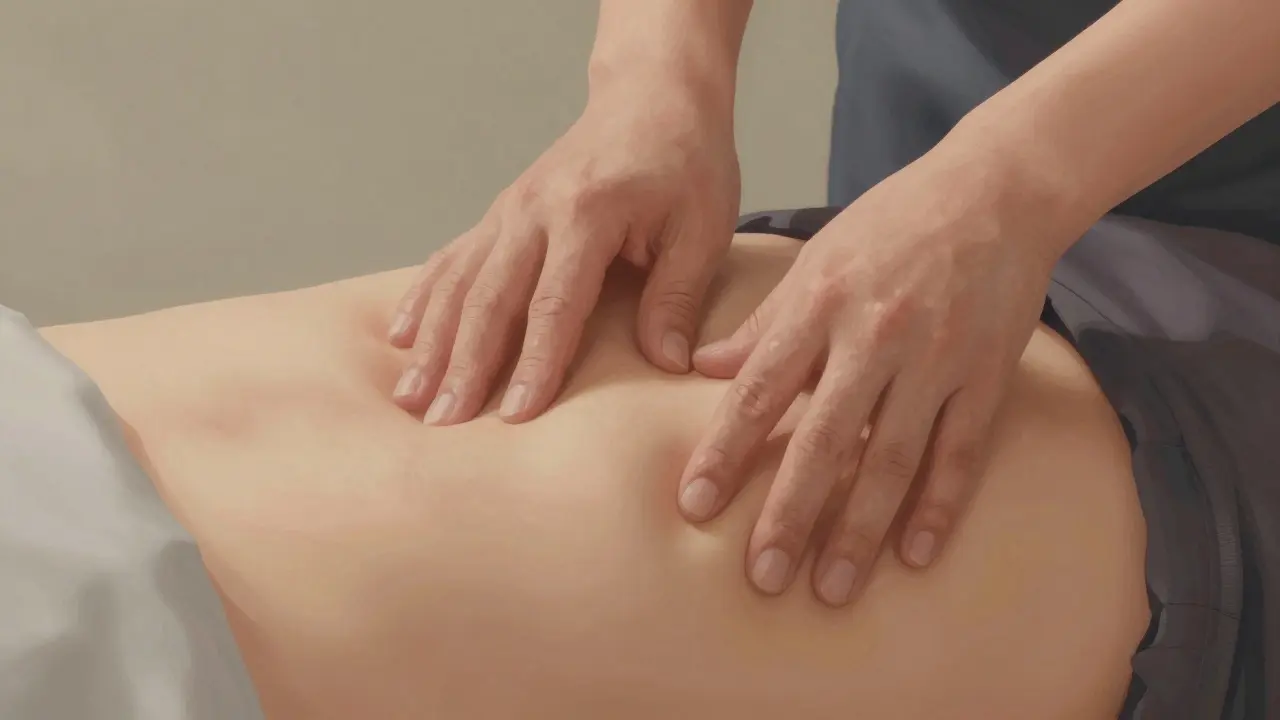
A trained shiatsu practitioner doesn’t just poke around. They use a technique called hara diagnosis-reading the abdomen’s texture, warmth, and tension to identify imbalances. A hard, rigid area might mean stagnation. A cold spot could signal poor circulation. The pressure applied is deep but never painful. It’s like kneading dough: firm, steady, and deliberate.
One client in Adelaide, a 42-year-old teacher with IBS, came in after trying everything. After six weekly sessions focused on her lower abdomen and lower back, she reported a 60% drop in bloating. She didn’t change her diet. She just stopped holding her stomach in.
Why It’s Better Than Pills or Tea
Antacids? They mask symptoms. Probiotics? They help some, but only if your gut environment is ready to receive them. Herbal teas? Often soothing, but rarely structural.
Shiatsu addresses the root: mechanical restriction. If your muscles are tight around your stomach, no amount of ginger tea will fix that. Shiatsu physically releases those muscles, allowing your organs to move naturally again. It’s like untangling a knot in a garden hose-you don’t pour more water; you untie the knot.
A 2024 study in Complementary Therapies in Clinical Practice compared shiatsu to placebo massage in 120 people with chronic constipation. The shiatsu group had 3.2 bowel movements per week on average-up from 1.4. The placebo group? Just 1.6. That’s not a fluke. That’s biomechanics.
What Happens During a Session
You don’t need to get naked. Shiatsu is done fully clothed, usually on a futon on the floor. The practitioner will start with your back, then move to your legs, arms, and finally your abdomen. Each session lasts 45 to 60 minutes.
Expect this sequence:
- Pressure on the lower back (BL-25) to stimulate the large intestine
- Stroking along the sides of your ribs (LV-13) to support liver function
- Firm, circular motions over the belly button (CV-8) to activate digestive fire
- Gentle kneading of the lower abdomen (CV-4) to ease menstrual and bowel discomfort
You might feel warmth, tingling, or even a gurgle. That’s your gut waking up. Some people fall asleep. Others feel a sudden urge to use the bathroom afterward. Both are normal.
Who Benefits Most
Shiatsu isn’t magic, but it’s especially effective for:
- People with stress-related digestive issues (bloating, IBS, constipation)
- Those who feel tightness or pain when touching their stomach
- Individuals who’ve tried medications with little success
- People who sit for long hours (desk workers, drivers, students)
It’s less effective if you have acute inflammation, recent surgery, or an active ulcer. Always check with your doctor first if you’re unsure.
How Often Should You Try It
One session might give you a light boost. But real change takes consistency. Think of it like exercise for your gut.
Most people start with weekly sessions for 4 to 6 weeks. After that, biweekly or monthly maintenance works well. You’ll know it’s working when:
- Food sits better after meals
- You pass gas more easily
- Morning bowel movements become regular
- You stop feeling like your stomach is a rock
Some clients report feeling lighter, calmer, and even more energized-not because of a miracle, but because their body finally had room to breathe.
Can You Do It Yourself?
Yes, but with limits. You can’t replace a trained practitioner, but you can support your digestion at home.
Try this simple routine before bed:
- Lie on your back, knees bent.
- Place your palms flat on your lower belly, just above your pubic bone.
- Breathe slowly. Press gently inward and upward in a circular motion for 2 minutes.
- Move your hands up to your navel. Repeat the circles, slightly firmer.
- Finish by pressing both palms together over your stomach for 30 seconds, holding steady.
Do this for 7 days. You might be surprised how much relief you feel.
Can shiatsu help with acid reflux?
Yes, especially if your reflux is linked to tension in the diaphragm or stomach. Shiatsu releases the muscles around the lower esophageal sphincter, which often stays clenched due to stress. Studies show a reduction in reflux frequency after 4 to 6 sessions focused on the upper abdomen and chest meridians.
Is shiatsu safe during pregnancy?
Generally yes, but avoid direct pressure on the abdomen during the first trimester. Later in pregnancy, gentle abdominal work can help with heartburn and constipation. Always work with a practitioner trained in prenatal shiatsu.
How is shiatsu different from a regular massage?
Regular massage focuses on relaxation and muscle release. Shiatsu targets energy pathways and organ systems. It’s more structured, often done on the floor, and uses pressure rather than oils or kneading. It’s not about feeling good-it’s about restoring function.
Do I need to believe in energy for it to work?
No. While shiatsu uses concepts like qi (energy), its physical effects-muscle relaxation, improved circulation, nerve reset-are measurable regardless of belief. Many skeptics report relief after their first session.
Can shiatsu replace medication for digestive disorders?
Not replace, but complement. If you have Crohn’s, ulcerative colitis, or severe GERD, shiatsu won’t cure you. But it can reduce symptom severity and improve quality of life. Always keep working with your doctor. Shiatsu is a tool, not a substitute.
If you’ve been stuck with digestive issues for years, it’s worth asking: what if the problem isn’t your food-but your body’s ability to move it? Shiatsu doesn’t promise miracles. But it does give your gut the space it needs to do what it was designed to do.