Head and Scalp Massage: How to Revitalize Your Mind and Relieve Tension
Have you ever felt that tight band of pressure around your forehead or a dull ache at the base of your skull? It’s not just stress talking. For many of us, especially those glued to screens in Perth’s bustling offices or studying late into the night, our heads become storage units for tension. We forget that the scalp is packed with nerve endings-more than any other part of the body except the hands and feet. When those nerves are compressed by poor posture, anxiety, or simply holding your head too stiffly, your brain gets foggy, your mood dips, and headaches strike.
A head and scalp massage is a targeted therapeutic technique that uses manual pressure and movement on the scalp and head muscles to relieve tension, improve circulation, and promote mental relaxation. Also known as scalp therapy, it has been used for centuries in traditional medicine systems like Ayurveda (where it’s called *Shiro Abhyanga*) and Traditional Chinese Medicine. Today, it’s gaining traction in Western wellness circles not just for hair health, but as a rapid reset button for your nervous system.
You don’t need a degree in anatomy or an expensive spa membership to benefit from this. In fact, doing it yourself can be more effective because you know exactly where your pain lives. Let’s break down how to do it right, why it works, and how to make it a habit that actually sticks.
Why Your Scalp Holds the Key to Mental Clarity
We often think of massage as something for sore shoulders or knotted lower backs. But the scalp is connected to the trigeminal nerve, which controls sensation in your face and motor functions like chewing. More importantly, the fascia-a thin layer of connective tissue-wraps around your entire head. When you’re stressed, this fascia tightens. Imagine wearing a helmet that’s two sizes too small. That’s what chronic tension feels like.
When you massage the scalp, you’re doing three critical things simultaneously:
- Increasing blood flow: The scalp has a rich network of blood vessels. Gentle pressure opens these vessels, delivering more oxygen to the brain. This isn’t just theory; studies published in journals like Complementary Therapies in Medicine have shown that scalp massage significantly reduces cortisol levels (the stress hormone) and increases heart rate variability, a marker of relaxation.
- Releasing myofascial restrictions: You’re loosening the physical “grip” of the muscles attached to the skull, such as the temporalis (on the sides of your head) and the occipitalis (at the back). These muscles often clench when you’re concentrating hard or anxious.
- Stimulating parasympathetic response: Rhythmic, gentle touch signals your brain that you’re safe. This shifts you out of “fight or flight” mode and into “rest and digest,” lowering your heart rate and calming racing thoughts.
This is why a quick five-minute session before a big meeting or after a long drive can feel like drinking cold water on a hot day. It clears the mental static.
The Anatomy of a Proper Head Massage
Most people scratch their heads when they’re thinking or stressed. That’s not a massage. A proper technique requires intention and specific movements. You’ll want to use your fingertips, not your nails. Nails can irritate the skin and cause micro-tears, especially if you have sensitive skin or conditions like psoriasis. Fingertips provide broad, even pressure.
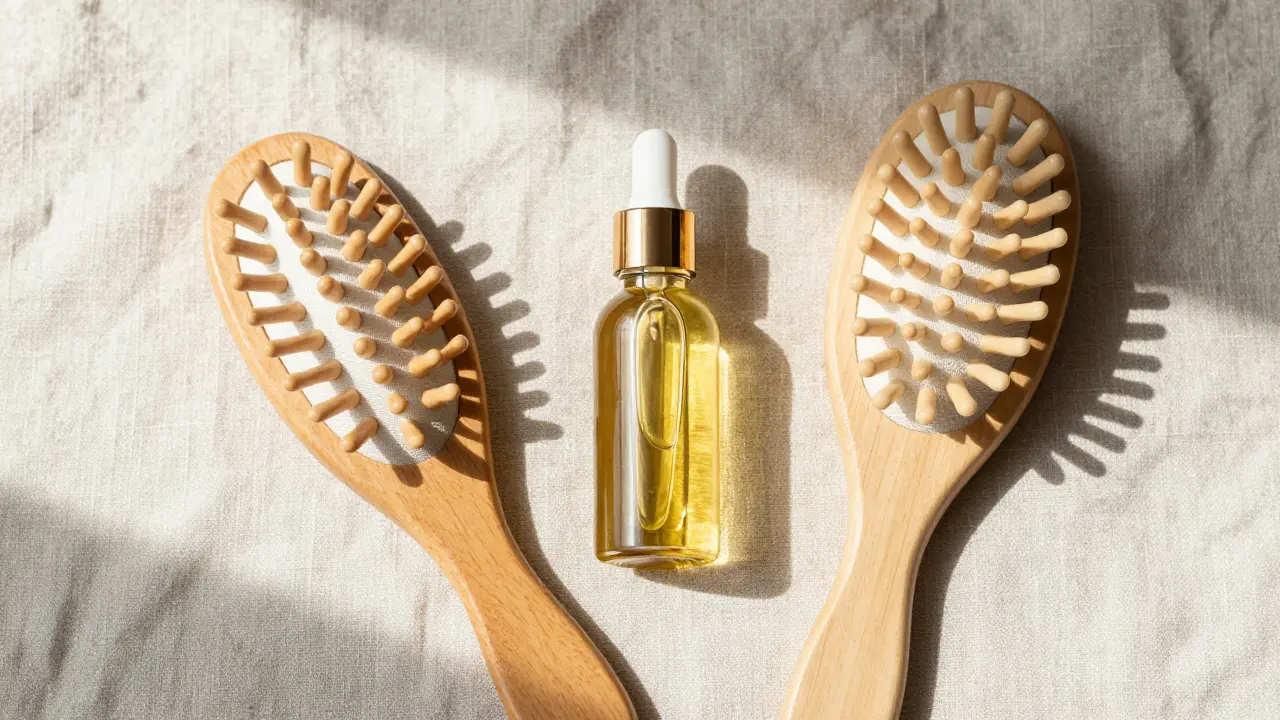
Start with clean, dry hair. If you prefer, apply a few drops of oil. Coconut oil, jojoba oil, or even a light argan oil works well. Oil reduces friction, allowing your fingers to glide rather than pull, which prevents breakage. However, oil is optional. The mechanical action of the massage is what matters most.
Here is the step-by-step sequence to cover all the key zones:
- The Crown (Sagittal Suture): Place your fingertips at the top of your head, right along the midline. Press down gently and make small circular motions. Move slowly from the front hairline toward the back. This area is often tight from upward eye strain (looking at screens).
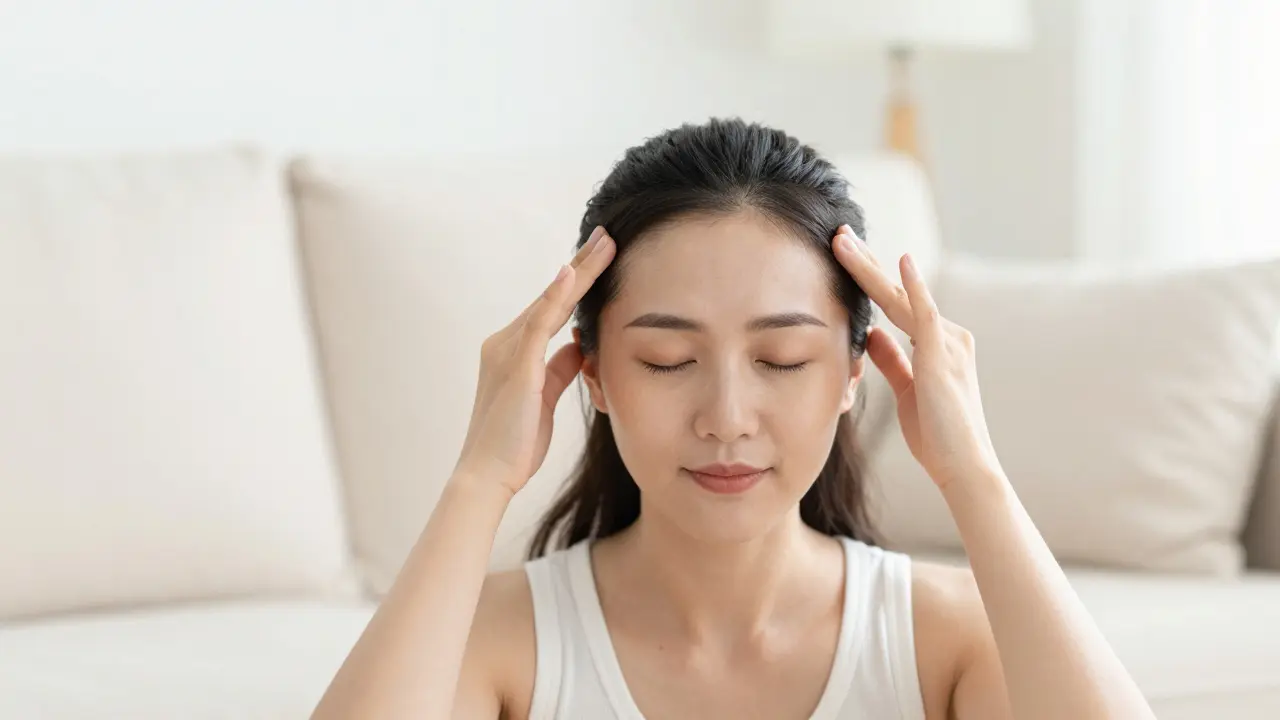
- The Temples: Use your index or middle fingers to press lightly into the soft spots on the sides of your head, just above your ears. Make slow, clockwise circles. The temporalis muscle is huge here; releasing it can instantly ease jaw tension and migraines.
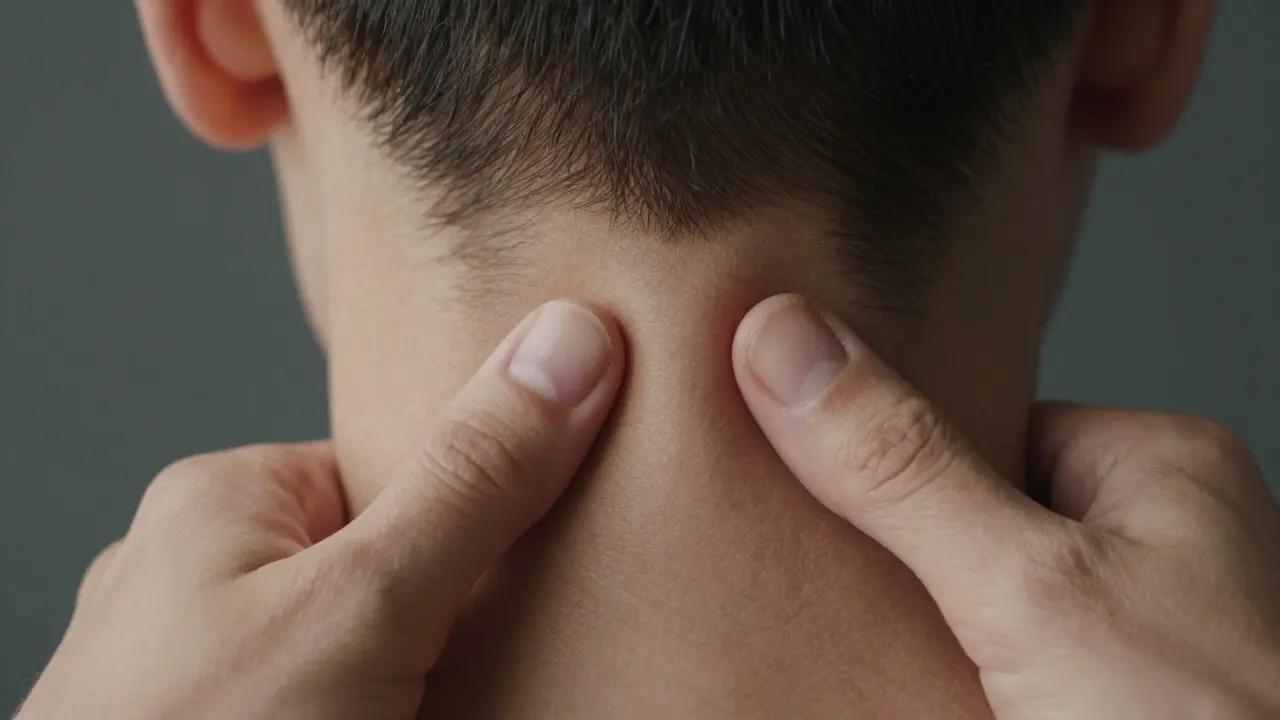
- The Occipital Ridge: Tilt your head forward slightly. Feel for the bony bump at the base of your skull. Run your thumbs along the ridge on either side of the spine. Apply firm, steady pressure and hold for 10-15 seconds. This releases the suboccipital muscles, which are notorious for causing tension headaches.
- The Hairline: Use both hands to frame your face. Slide your fingers from the center of your forehead outward toward your temples, then down over your ears. This sweeps away stagnation and stimulates the frontal sinuses.
- The Back of the Neck: Don’t stop at the skull. Use your palms to knead the upper trapezius muscles at the back of your neck. These muscles support the head’s weight; if they’re weak or tight, your scalp will always feel tight.
Spend about one to two minutes on each zone. Total time: 5-10 minutes. Breathe deeply throughout. If you hold your breath, you negate the relaxation benefits.
Tools vs. Hands: What Works Best?
You might see gadgets everywhere now-electric scalp massagers, silicone brushes, wooden combs. Do you need them? Not necessarily. Your hands are the most sensitive tools you have. They can detect heat, tension knots, and sensitivity levels instantly. A machine cannot adjust its pressure based on your feedback.
However, tools can be helpful for consistency or if you have limited mobility in your hands. Here is a comparison:
| Method | Pros | Cons | Best For |
|---|---|---|---|
| Hands (Fingertips) | High tactile feedback, adjustable pressure, free | Requires learning technique, hand fatigue | Deep tension release, self-care rituals |
| Electric Massager | Consistent vibration, easy to use, covers large area | Can be too intense, no tactile feedback, battery dependent | Quick stimulation, hair growth support |
| Silicone Brush | Gentle exfoliation, good for oil application, affordable | Limited depth, can tangle fine hair | Daily maintenance, dandruff control |
| Wooden Comb/Massager | Natural material, static-free, durable | Less ergonomic, requires grip strength | Traditional practices, travel |
If you choose a tool, ensure it has rounded tips to avoid scratching the scalp. Always sanitize tools between uses to prevent fungal infections, especially if you share them.
Timing and Frequency: Building the Habit
How often should you do this? Daily is ideal, but realistic is better. Aim for 3-4 times a week. Consistency beats intensity. A gentle 3-minute massage daily is more effective than a brutal 20-minute session once a month.
Timing matters too. Here are the best windows:
- Morning: To wake up the brain and boost alertness without caffeine. Focus on brisker movements and the crown.
- Mid-day: During a lunch break to reset focus. Keep it short (2-3 minutes) and focus on the temples and neck.
- Evening: To unwind before sleep. Use slower, deeper pressure and include the occipital ridge. Avoid vigorous rubbing, which can stimulate the nervous system too much.
In Perth, where the sun can be harsh, remember that UV exposure can also dehydrate the scalp. If you’ve been outside, a cool-water rinse followed by a gentle massage with a hydrating serum can soothe sun-stressed skin.
Common Mistakes to Avoid
Even simple techniques can go wrong. Watch out for these pitfalls:
- Using nails: As mentioned, this causes irritation and inflammation. Trim your nails short before starting.
- Pulling hair: Massage the skin, not the hair shafts. Pulling can lead to traction alopecia (hair loss) over time. Anchor your fingers on the scalp and move the skin, not the hair.
- Too much pressure: The scalp is sensitive. Pain is not the goal. Discomfort that feels like “good hurt” is okay, but sharp pain means you’re pressing too hard or hitting a bone directly.
- Ignoring contraindications: If you have open wounds, active infections (like severe ringworm), recent surgery, or uncontrolled high blood pressure, consult a doctor first. Generally, avoid massaging inflamed or broken skin.
Beyond Relaxation: Hair Health Benefits
While mental clarity is the primary goal here, the physical benefits for your hair are significant. Increased blood flow brings more nutrients to the hair follicles. Studies, including one from JAMA Dermatology, have suggested that regular scalp massage may increase hair thickness by stretching cells in the hair follicle, stimulating gene expression related to hair growth.
It also helps distribute natural oils (sebum) from the roots to the ends, reducing the need for heavy conditioners. If you struggle with dandruff, gentle exfoliation during massage can help remove buildup without harsh chemical shampoos.
Integrating Into Your Routine
Make it effortless. Pair it with an existing habit. While your coffee brews, do a temple massage. While waiting for the shower to warm up, do a neck release. Before brushing your teeth at night, do a crown massage. Contextual cues help build habits faster than willpower alone.
You can also combine it with mindfulness. Close your eyes. Focus only on the sensation of your fingers on your scalp. Notice where the tension is. Is it tighter on the left side? Do you favor one shoulder? This body awareness can translate to better posture throughout the day.
Does head massage really reduce headaches?
Yes, particularly for tension-type headaches. By relaxing the temporalis and suboccipital muscles, you reduce the physical compression on nerves and blood vessels that contribute to pain. It may not cure migraines triggered by other factors, but it can lessen the severity and duration.
Can I do scalp massage every day?
Absolutely. Daily massage is safe and beneficial. Just ensure you’re using gentle pressure and avoiding excessive pulling. Your scalp skin needs time to recover if you’re aggressive, so listen to your body.
Is oil necessary for a head massage?
No, oil is optional. Dry massage works well for tension relief. Oil is primarily useful for reducing friction, adding hydration, or enhancing the sensory experience. If you have oily hair, stick to dry massage or use very lightweight serums.
How long does it take to see results?
For stress relief and mental clarity, effects are immediate. For hair thickness or significant reduction in chronic tension, it takes consistent practice over 4-6 weeks. Think of it like exercise; one workout doesn’t change your physique, but regular training does.
Are there any risks associated with scalp massage?
Risks are minimal if done correctly. Over-aggressive pressure can cause bruising or hair breakage. Using dirty tools can introduce bacteria. Avoid massaging if you have open sores, active infections, or severe skin conditions like eczema flare-ups without medical advice.