A Complete Guide to Milking Table Massage in the Heart of Prague
Milking Table Massage Suitability Checker
About This Tool
This tool helps you assess whether milking table massage might be appropriate for you based on the criteria outlined in the article. It's designed to help you determine if this therapy aligns with your health needs and circumstances. This is not a medical diagnosis.
When you hear "milking table massage," you might picture something out of a movie or a rumor passed around in hushed tones. But in the quiet backstreets of Prague, it’s a real, regulated, and surprisingly common service - not for the reasons most people assume. This isn’t about sex. It’s about touch, release, and a very specific kind of bodily reset that’s been practiced in Central Europe for decades.
What Exactly Is a Milking Table Massage?
A milking table massage uses a specialized, reclined table designed to support the body in a position that allows deep, rhythmic pressure on the pelvic floor and prostate area. The name comes from the motion - a slow, pumping technique that mimics the action of milking, not from any literal connection to dairy. It’s a form of sensual massage, often grouped under erotic massage, but it’s not sexual in the way most people think.
The goal? To release built-up tension in the pelvic region, improve circulation, and stimulate the nervous system in a way that triggers deep relaxation. Many clients report feeling lighter, less anxious, and more grounded after just one session. It’s not a quick fix. It’s a reset.
In Prague, this service is offered by licensed therapists who train in somatic therapy, pelvic health, and trauma-informed touch. They don’t advertise it loudly. You won’t find it on tourist websites. But ask around in wellness circles, and you’ll hear whispers - "Go to the one on Vodičkova. The woman who used to work at the hospital."
Why Prague? The History Behind the Practice
Prague became a quiet hub for this kind of therapy after the Velvet Revolution. As Czech society opened up, so did access to alternative health practices. Many therapists trained in Germany and Austria brought back techniques from somatic and bodywork schools that emphasized pelvic health as part of overall well-being.
Unlike in some countries where erotic massage is illegal or hidden underground, Prague has a gray zone - not fully legal, but not actively policed, as long as no sexual contact occurs. Therapists operate under the umbrella of "sensual wellness" or "energy balancing," avoiding the word "erotic" on their websites. But the technique? It’s unmistakable.
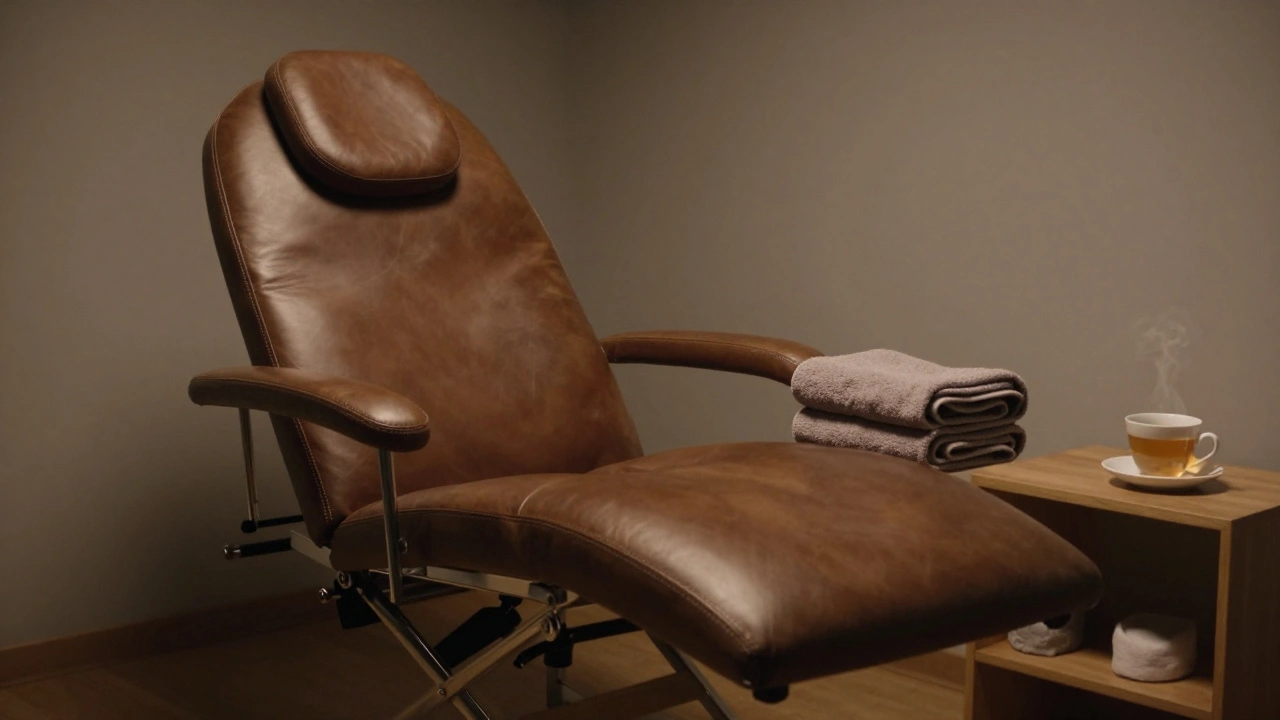
The milking table itself is a simple piece of equipment: a padded, adjustable recliner with a cutout for the pelvis, often made of hardwood and covered in hypoallergenic leather. It’s not fancy. It’s functional. The therapist uses their hands, forearms, and sometimes small tools to apply slow, rhythmic pressure. Sessions last 60 to 90 minutes. No nudity beyond what’s necessary. No touching of genitals. Just deep, intentional pressure on the perineum and lower abdomen.
How It Feels - Real Client Experiences
One client, a 42-year-old software engineer from Berlin, told me after his third session: "I didn’t know my body could hold that much tension. I thought I was just stressed. Turns out, I was holding my breath every time I sat at my desk for eight hours. The massage didn’t just relax me - it made me feel like I could breathe again."
Another, a 58-year-old woman from Vienna who’d suffered from chronic pelvic pain after surgery, said: "I tried physiotherapy, acupuncture, even hypnosis. Nothing worked. Then I found this. It didn’t cure me, but it gave me back two hours a day where I didn’t feel like I was broken."
The sensations are hard to describe. It’s not pleasurable in a sexual way. It’s more like a deep, internal release - like when you finally stretch after being stiff for days. Some people cry. Others laugh. A few fall asleep. All of them leave quieter.
What to Expect During Your First Session
If you’re considering a session in Prague, here’s what actually happens:
- You book a consultation first - usually a 15-minute call or video chat. No photos, no personal questions. They want to know if you’ve had pelvic surgery, if you’re on blood thinners, or if you have any nerve conditions.
- You arrive at a discreet apartment or small clinic. No signage. No waiting room. You’re shown to a private room with soft lighting and calming music.
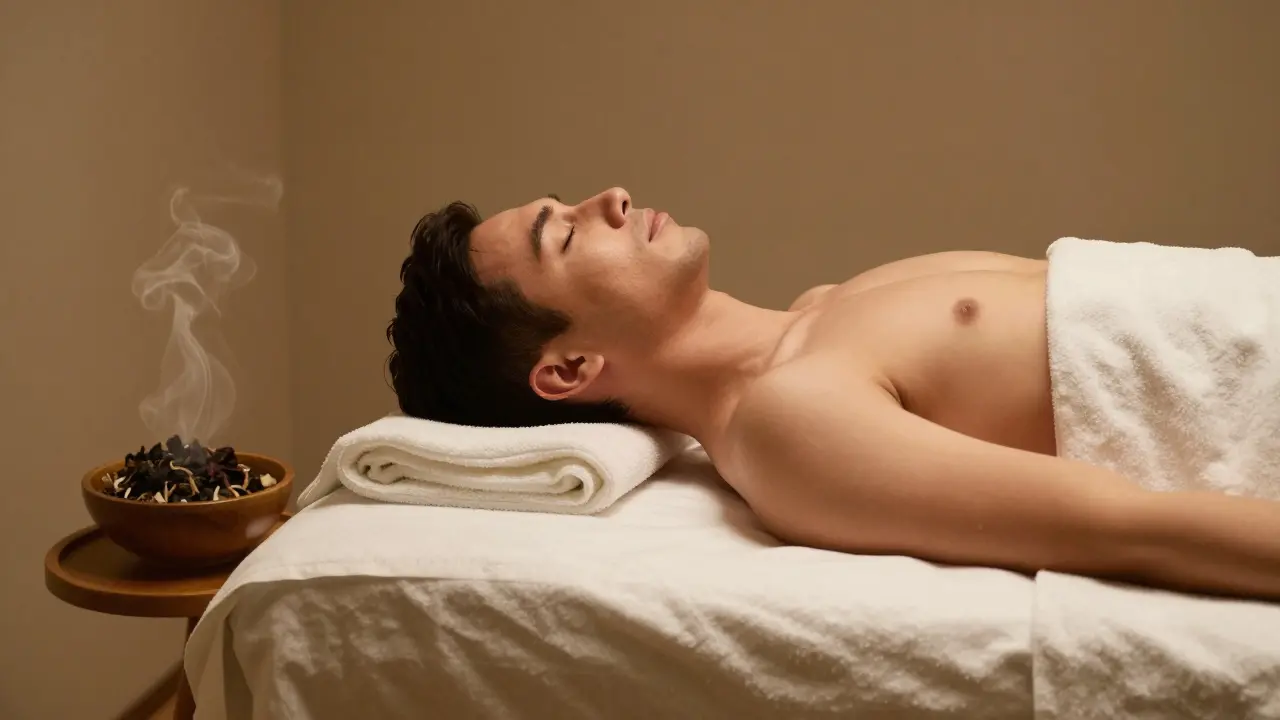
- You undress from the waist down. You’re given a towel to cover yourself. The therapist leaves while you get comfortable on the table.
- The session begins with gentle breathing exercises and light abdominal massage to help you relax.
- Then comes the milking motion - slow, rhythmic, and controlled. It’s not fast. It’s not intense. It’s steady. Like waves.
- You’re encouraged to breathe deeply and stay present. If anything feels wrong, you say so. The therapist stops immediately.
- Afterward, you’re offered herbal tea and a moment to sit quietly. No rush. No small talk.
There’s no massage oil. No music with beats. No flirting. The therapist is calm, professional, and silent unless you speak. The whole experience feels more like a medical procedure than a spa treatment - which is exactly why it works.
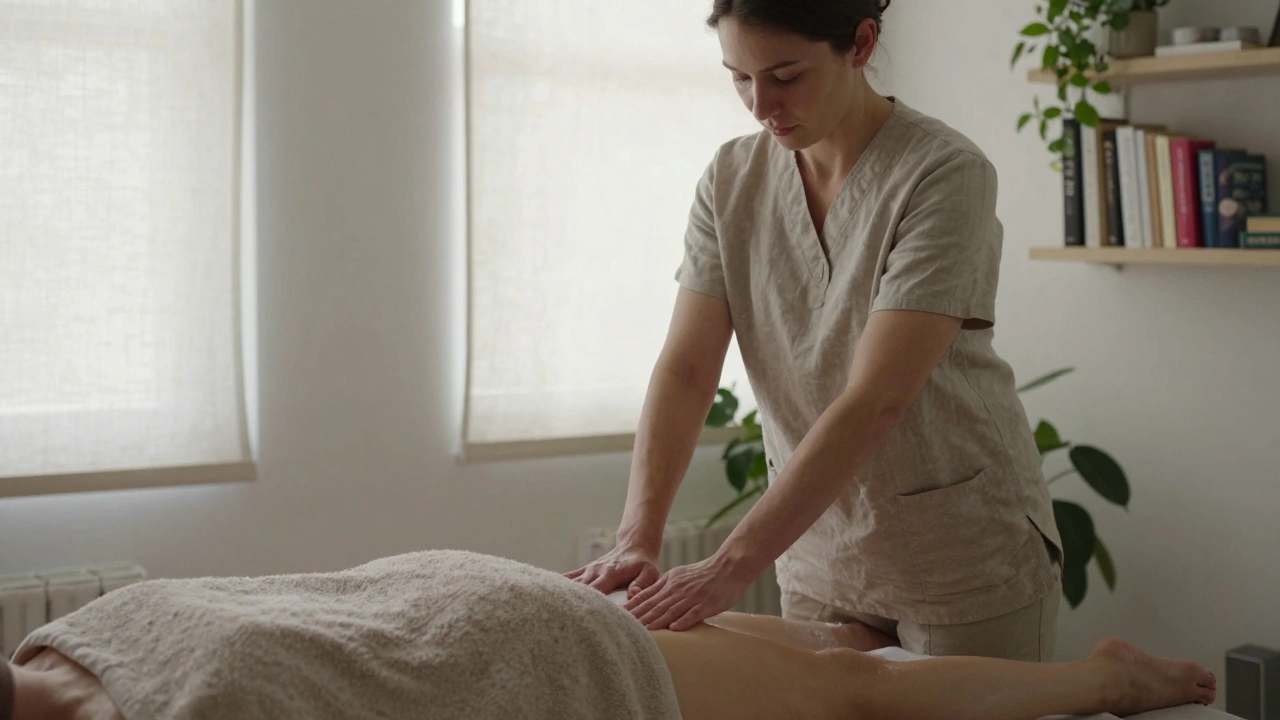
Who It’s For - And Who Should Avoid It
This isn’t for everyone. It’s not a novelty. It’s not for people looking for a thrill. It’s for people who:
- Have chronic pelvic tension or pain
- Struggle with anxiety and feel stuck in their bodies
- Have had surgeries (prostate, hysterectomy, C-section) and feel disconnected from their lower half
- Are men or women who’ve never felt comfortable with their pelvic area
It’s not recommended for:
- Anyone with active infections in the pelvic area
- People with recent injuries or fractures in the pelvis
- Those with severe mental health conditions like psychosis or dissociative disorders
- Anyone seeking sexual contact - this is not a sexual service
Therapists in Prague screen clients carefully. If they sense you’re there for the wrong reasons, they’ll turn you away. Not out of judgment - out of care.
The Science Behind the Technique
There’s limited peer-reviewed research on milking table massage specifically, but the principles align with known therapies:
- Prostate massage has been used in urology for decades to relieve chronic pelvic pain syndrome (CPPS). A 2021 study in the Journal of Urology found that manual pelvic massage improved symptoms in 68% of men with CPPS over 12 weeks.
- Pelvic floor release is a recognized technique in physical therapy for women with dyspareunia or postpartum tension. The rhythmic pressure helps relax overactive muscles.
- Vagal stimulation - the slow, rhythmic motion activates the parasympathetic nervous system, lowering heart rate and cortisol levels.
It’s not magic. It’s biomechanics. And it works - if you let it.
Finding a Reputable Practitioner in Prague
Don’t Google "milking table massage Prague." You’ll get scam sites and porn links. Instead:
- Look for therapists who list "somatic bodywork," "pelvic health," or "energy balancing" as specialties.
- Check if they have credentials - physiotherapist, massage therapist, or somatic practitioner licensed in the Czech Republic.
- Call them. Ask if they offer consultations. If they say no, walk away.
- Look for reviews on Czech wellness forums, not TripAdvisor.
- Expect to pay between 1,800 and 2,500 CZK (about $80-110 USD) for a 75-minute session.
Two trusted names in Prague: Anna Vokál (Vodičkova Street) and Jan Kroupa (near Vinohrady). Both have trained in Vienna and have been practicing for over 15 years. They don’t advertise online. You find them through word of mouth.

After Your Session - What to Do Next
Don’t rush out. Drink water. Avoid caffeine or alcohol for the next 4 hours. You might feel a little dizzy or emotionally raw. That’s normal. Your body just released something it’s been holding onto.
Some people feel a boost in energy. Others feel deeply tired. Neither is wrong. The goal isn’t to feel good immediately - it’s to feel whole.
Most clients return once a month. A few come weekly for 3-6 weeks, then taper off. It’s not addictive. It’s restorative.
Is This Legal? What About the Risks?
In the Czech Republic, erotic massage exists in a legal gray area. As long as no sexual activity occurs, it’s not classified as prostitution. Therapists avoid the word "erotic" on their websites. They use "sensual," "wellness," or "bodywork." The law doesn’t define it clearly - and that’s why it survives.
The biggest risk? Going to someone untrained. Bad pressure on the pelvic area can cause nerve damage, bruising, or worsen existing conditions. That’s why screening and experience matter.
Always ask: "What’s your training?" and "Can I see your license?" If they hesitate, walk out.
Final Thoughts - Is It Worth It?
If you’re looking for a quick thrill, this isn’t for you. If you’re tired of feeling like your body is a stranger, and you’ve tried everything else - this might be the quietest, most powerful thing you’ve ever done for yourself.
It’s not about sex. It’s not about fantasy. It’s about touch - the kind that doesn’t ask for anything in return. The kind that says, "I see you. I’m not here to fix you. I’m here to help you feel whole again."
Prague doesn’t advertise this. It doesn’t need to. The people who need it find it. And they never forget it.
Is milking table massage the same as prostate massage?
It’s similar but not identical. Prostate massage is a clinical technique used by urologists to treat chronic pelvic pain. Milking table massage is a broader, somatic approach that includes the pelvic floor, perineum, and lower abdomen - not just the prostate. It’s designed for relaxation and nervous system regulation, not medical treatment.
Can women receive milking table massage?
Yes. While often associated with men, the technique works equally well for women. The pressure targets the pelvic floor muscles, perineum, and lower abdomen - areas that hold tension in both genders. Many women report relief from chronic pelvic pain, postpartum discomfort, and anxiety after sessions.
Do I need to be naked during the session?
You’ll undress from the waist down and remain covered with a towel. Only the area being worked on is exposed. The therapist never touches the genitals directly. The focus is on the surrounding tissues - the perineum, lower abdomen, and pelvic floor muscles.
How long does a session last?
Most sessions last between 60 and 90 minutes. The first 15-20 minutes are spent on breathing and light relaxation. The milking motion itself takes about 30-45 minutes. The rest is quiet time afterward to let your body integrate the experience.
Is this considered a sexual service in Prague?
Legally, no - as long as no sexual contact occurs. Therapists in Prague operate under wellness or bodywork licenses. They avoid any sexual language or behavior. Clients are screened to ensure intent is therapeutic, not sexual. If a therapist suspects otherwise, they will refuse service.
Can I try this at home?
Not safely. The technique requires precise pressure, timing, and knowledge of pelvic anatomy. Attempting it on your own or with a partner can cause injury. The milking table is designed to support the body in a way that allows controlled, deep pressure - something you can’t replicate with a regular bed or chair.
Are there any side effects?
Mild side effects can include temporary soreness, emotional release (crying, laughing), or fatigue. These usually pass within 24 hours. Rarely, people with pre-existing nerve conditions may feel increased discomfort. Always disclose your medical history before the session.
How often should I get this massage?
Most people start with one session a week for 3-4 weeks, then move to once a month for maintenance. It’s not something you need daily. Think of it like physical therapy - consistent but not constant. Listen to your body. If you feel more relaxed and less tense, you’re on the right track.
Next steps? If you’re in Prague and curious, book a consultation. Don’t go in with expectations. Go in with curiosity. And if you’re not in Prague? Look for somatic therapists near you who specialize in pelvic floor release. The technique isn’t unique to the Czech Republic - just harder to find elsewhere.