
Deep Tissue Massage: How It Heals Chronic Pain and Improves Mobility
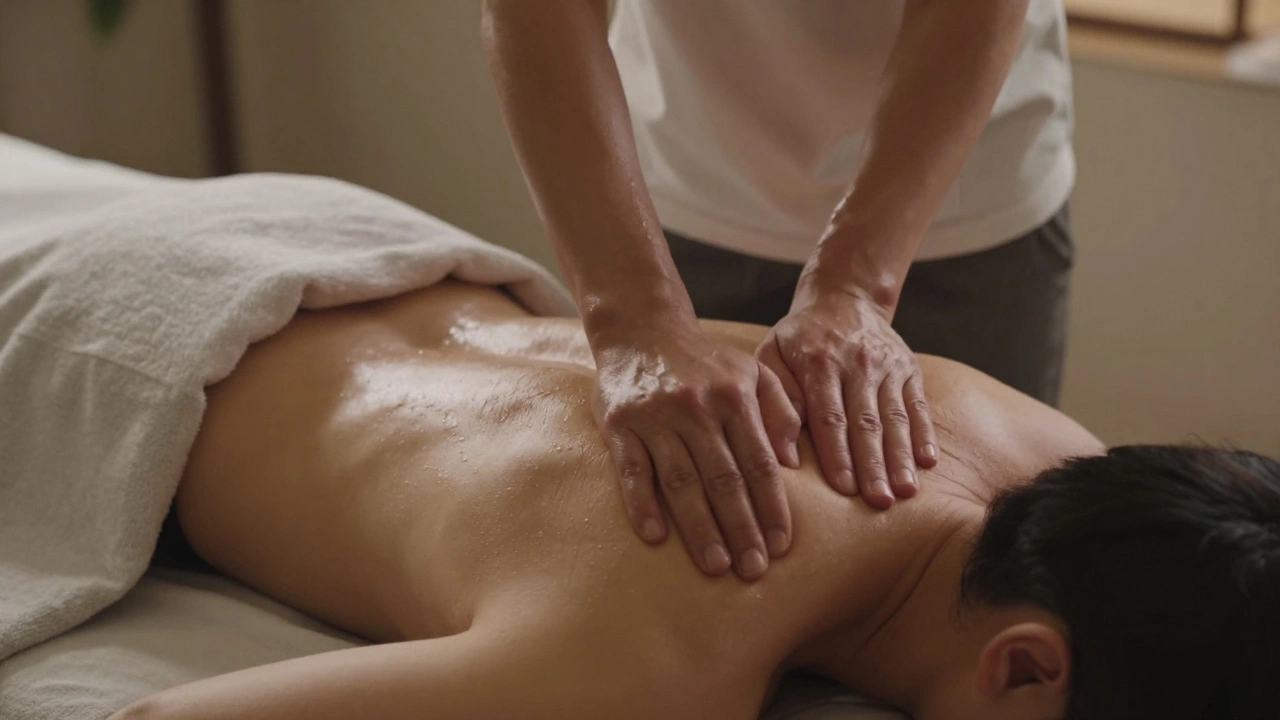
Most people think of massage as a way to relax. But deep tissue massage isn’t about lavender candles and soothing music. It’s about getting into the layers of muscle that have been tight for months-or years. If you’ve got knots in your shoulders that won’t budge, lower back pain that flares up every time you sit too long, or stiffness after an old injury, this isn’t just a luxury. It’s a tool that can change how your body moves-and how you feel every day.
What deep tissue massage actually does
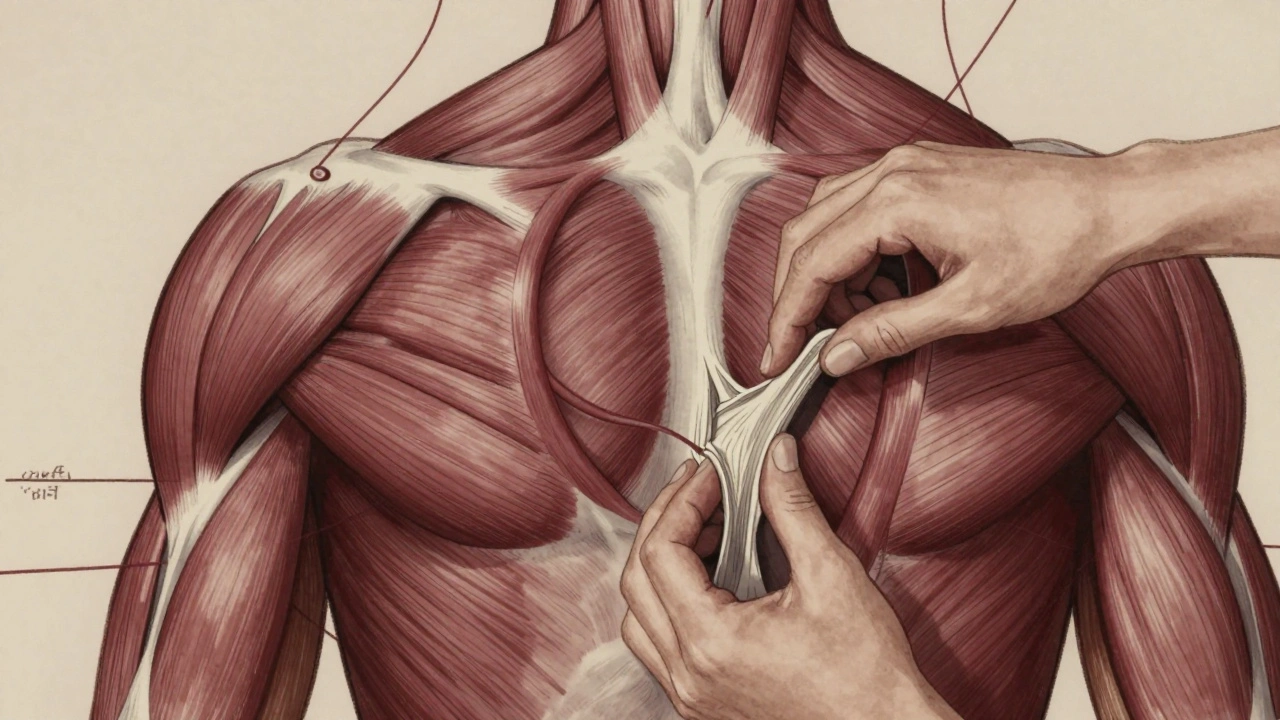
Deep tissue massage targets the deeper layers of muscle and connective tissue. Unlike Swedish massage, which uses light pressure and long strokes, deep tissue uses slower, firmer pressure. The therapist works across the grain of the muscle, not just along it. This breaks up adhesions-sticky bands of tissue that form after injury, overuse, or chronic stress. These adhesions are what make your muscles feel stiff, sore, and restricted.
It’s not just about feeling pressure. It’s about changing how your tissues behave. A 2023 study in the Journal of Bodywork and Movement Therapies found that after six weekly deep tissue sessions, participants with chronic lower back pain saw a 42% reduction in pain intensity and a 31% improvement in range of motion. That’s not placebo. That’s physical change.
Who benefits most
You don’t need to be an athlete to need this. Office workers with hunched shoulders, parents carrying kids, construction workers, even people recovering from surgery-anyone with persistent muscle tension can benefit.
Take Sarah, a 48-year-old teacher from Adelaide. She spent years hunched over lesson plans. Her upper trapezius muscles were so tight they pulled her neck forward. She tried heat packs, stretching, even chiropractic adjustments. Nothing stuck. After three deep tissue sessions focused on her upper back and neck, she could turn her head fully again. She didn’t feel pain every time she looked over her shoulder. That’s the difference.
It’s also common among people with repetitive strain injuries. Typists, painters, musicians-anyone who does the same motion over and over-builds up scar tissue in their muscles. Deep tissue massage helps break that down before it turns into chronic pain.
What to expect during a session
It’s not supposed to hurt-but it’s not supposed to feel like a gentle rub either. You should feel a strong, deep pressure that might be uncomfortable, but never sharp or burning. If you feel like you’re being torn apart, speak up. Good therapists adjust pressure based on your feedback.
A typical session lasts 60 to 90 minutes. The therapist will start with lighter strokes to warm up the tissue, then move into deeper work. They might use their elbows, knuckles, or forearms. You’ll be covered with a sheet, and only the area being worked on will be exposed.
Some people feel sore for a day or two afterward. That’s normal. It’s like the difference between a light jog and a heavy weight session. Drink water. Move gently. Don’t ice it unless it’s swollen. Heat helps more in this case.
How often should you get it
There’s no one-size-fits-all answer. If you’re dealing with acute pain, once a week for 3-4 weeks can make a big difference. After that, maintenance every 3-6 weeks keeps things from snapping back.
For athletes, it’s often part of recovery. Runners get it after long races. Weightlifters use it to release tight lats and hip flexors. Even dancers use it to prevent overuse injuries. One ballet instructor I spoke to said her students who got monthly deep tissue sessions missed 60% fewer rehearsals due to muscle strain.
If you’re just trying to stay loose, once every two months might be enough. But if your pain keeps coming back, you’re probably missing the root cause. That’s when you need to pair massage with movement-strengthening weak muscles, correcting posture, and stretching the right things.
What deep tissue massage doesn’t do
It won’t cure arthritis. It won’t fix a herniated disc. It won’t replace physical therapy for serious injuries. It’s not magic. It’s a tool that works best when used with other healthy habits.
Some people think it “releases toxins.” That’s a myth. Your liver and kidneys handle toxins. Massage improves circulation, which helps your body do its job better-but it doesn’t flush out anything special.
And it’s not for everyone. If you have blood clots, open wounds, recent fractures, or are on blood thinners, talk to your doctor first. If you have osteoporosis, the pressure might be too risky. Always disclose your full medical history.

Pair it with movement
Here’s the secret most people miss: massage gives you relief, but movement gives you results. If you get a deep tissue session and then go back to sitting 10 hours a day, you’re just resetting the clock.
After a session, do light mobility work. Walk. Stretch your shoulders. Roll your hips. Use a foam roller on your quads or calves. These small habits keep the tissue from tightening up again.
One client, a 55-year-old accountant, started getting deep tissue massages every four weeks. He also began doing 10 minutes of hip mobility drills every morning. Within three months, his lower back pain dropped from a constant 7/10 to a rare 2/10. He didn’t need painkillers anymore. He didn’t need to cancel plans because he couldn’t get out of bed.
Choosing the right therapist
Not all massage therapists are trained in deep tissue. Look for someone with certifications in myofascial release, sports massage, or orthopedic massage. Ask if they’ve worked with clients who have chronic pain. A good therapist will ask you about your pain history, where it hurts, when it started, and what makes it better or worse.
Don’t go to someone who rushes. Deep tissue takes time. A 30-minute session won’t cut it if you’ve got years of tension built up. And avoid places that push packages or upsell you on oils, supplements, or endless sessions. This isn’t a spa-it’s therapy.
Real results, not just relaxation
Deep tissue massage isn’t about feeling good in the moment. It’s about feeling better for months. It’s about being able to bend down to tie your shoes without wincing. It’s about sleeping through the night without rolling onto a sore spot. It’s about walking without pain after a long day.
It’s not a cure-all. But for millions of people with chronic muscle pain, it’s the missing piece they didn’t know they needed. You don’t have to live with stiffness. You don’t have to accept pain as normal. Your body remembers what it’s been through. And with the right touch, it can start to let go.